Languages
Saturday, November 21, 2026



News and Views from the Global South
Featured
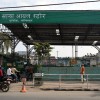
Earthquake Survivors Struggle Amid Fuel Shortages Due to Protests
At 40, Durga Rajak, co-owner of “Mailadai Hans ko Choila,” a popular eatery in Kathmandu, is learning to light a stove all over again. However, this time she is using diesel fuel instead of kerosene. She admits this is a risky job. “There is always the danger of a blast, so I must never pump the handle too fast or raise the flames too high,” she said.
Cubans Want to Know When They Will Feel the Effects of Thaw with U.S.
While the normalisation of diplomatic relations between the United States and Cuba is moving ahead, and the U.S. and Cuban flags have been proudly waving in Havana and Washington, respectively, since last July, the year gone by since the thaw has left many unanswered questions.Syrian Refugees, Fleeing Civil War, Reduced to Extreme Poverty, Says New Study
When German Chancellor Angela Merkel defended her immigration policies early this week -- and announced plans to absorb about one million refugees, mostly from Syria -- she was apparently greeted with a nine-minute standing ovation by members of her Christian Democratic Union.Analysis: Kurdish-Led Peace Conference Is Best Hope for Syria
While the war in Syria continues to draw in more outside forces, the work towards finding a political solution to this five-year old conflict carries on. In the past week, no less than three separate conferences were organized by different clusters of opposition groups. Conferences were held in three places: Damascus, Dêrîk – a city in the Kurdish-controlled northern part of Syria – and Riyadh, the Saudi capital, respectively.
Afghan Refugees’ Right To Stay in Pakistan May Expire
“We aren’t happy here but cannot go back to our country because the situation there was extremely bad,” Ghareeb Gul, Afghan refugees told IPS.
Beekeeping Helps Pakistan Farmers Cope with Crop Losses
Farmers in the rain-dependent district of Chakwal in Punjab province of Pakistan are finding relief in beekeeping as the groundnut crop suffers a blow from shifting rainfall patterns.
COP 21 Should be making People Ask: ‘Where Does My Turkey Come From?’
As the festive season begins, some farmers say that consumers should be asking about the origins of their food, and thinking about who produces it, especially in light of the historic accord reached at the United Nations Climate Change Conference (COP 21) on Dec. 12 in Paris.
Weak Agriculture Finance Feeds Malnutrition in Zimbabwe
Successive poor harvests have diminished Ndodana Makhalima's household food stocks and the family’s nutrition status. A subsistence farmer in Lupane, about 110 kilometres north of Zimbabwe’s second city, Bulawayo, 56 year-old Makhalima has learnt to live with hunger on his door step.Farmers, CSOs Rally Behind Environmentalist Jailed for Exposing Land Grabbing in Cameroon
Farmers and activists in Cameroon say a jail sentence handed down on an environmentalist who exposed land-grabbing by a multinational agro-industrial company, sends a dangerous signal to communities trying to protect their land and resources.
Haina, a Dominican City Famous Only for Its Pollution
Rubbish covers the beaches and clutters the rivers, the garbage dump is not properly managed, and more than 100 factories spew toxic fumes into the air in the city of Bajos de Haina, a major industrial hub and port city in the Dominican Republic.Paris Agreement Leaves Climate Funding in Limbo
Secretary-General Ban Ki-moon, who described climate change as one of the “defining priorities” of his nine-year tenure as UN chief, went into raptures over the Paris agreement concluded on Saturday.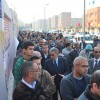
New Poll Highlights Need for Reform in the Middle East
A new public opinion survey undertaken in six Arab countries, Iran, and Turkey finds that people are more likely to blame “corrupt, repressive, and unrepresentative governments” and “religious figures and groups promoting extremist ideas and/or incorrect religious interpretations” for the rise of violent groups like al-Qaeda and the Islamic State than they are to blame “anger at the United States.”
Africa Closer to a Cure for Banana Disease
In one Ugandan dialect, 'kiwotoka', describes the steamed look of banana plants affected by the Banana Xanthomonas Wilt (BXW) - a virulent disease that is pushing African farmers out of business and into poverty.
Emulating the US Opposed by the US
The US once led the post-war global effort against hunger and food insecurity, but corporate influence on government trade negotiators now seek to prevent other countries from using some of the very measures it pioneered.
Pacific Islands’ Marine Reserve: Safe Haven for Depleted Tuna and New Holiday Spot
President Tommy Remengesau Jr. of the Pacific island nation of Palau has cemented a legacy as the world’s most effective protector of marine life by creating a giant marine reserve that will directly benefit his people through increasing tourism and securing its food supply, scientists say.
Paris Delivers Historic Climate Treaty, but Leaves Gender Untouched
After 2 weeks of intense negotiations, on Saturday evening, the 21st UN climate conference (COP21) in Paris finally delivered a historic agreement that, for the first time, promises to keep the global warming under 2 degrees Celsius. The treaty, consisting 31 pages and signed by by 196 countries, include the big five steps of climate action:
Paris Delivers the Promised Climate Deal to Resounding Cheer and Applause
The impossible was made possible. Governments from 195 countries around the world emerged here with the first universal agreement to cut greenhouse gases emissions and reduce the negative impacts of climate change.
Sargassum and Climate Change in the Caribbean
When the habitants of Puerto Morelos saw their white beaches turn brown, they felt they needed to take urgent action for their community. Given the limited effectiveness of the response, they organized themselves to clean public beaches, but the situation got worse.
Brazil’s Amazon River Ports Give Rise to Dreams and Nightmares
River port terminals in the northern Brazilian city of Santarém are considered strategic by the government. But what some see as an opportunity for development is for others an irreversible change in what was previously a well-preserved part of the Amazon rainforest.
Hidden Hunger, Hidden Danger
Access to generic vitamin and mineral supplements in developing countries constrained by trade rules
The latest estimates are that over two billion people in the world suffer some micronutrient deficiencies, often referred to as “hidden hunger.” The main sustainable solution is to ensure adequate public health interventions, including clean water, sanitation and hygiene as well as healthy, diverse diets for all.
Tackling Climate Change in Africa: Europe’s Solution to the Migrant Crisis?
As thousands of Africans arrive in Europe every month, often risking their lives aboard shaky boats to get to a better life, lack of access to energy could be one of the reasons for their exodus.« Previous Page — Next Page »


The Week with IPS

NEXT STOP - SDGs
Tracking global progress towards a sustainable world
Tracking global progress towards a sustainable world
