Languages
Friday, October 23, 2026



News and Views from the Global South
LDCs

MALAWI: Painkillers Prescribed for Malaria Amid Drug Shortage
Malawi is experiencing a drug shortage as the country's international donors remain reluctant to release aid meant for the health sector.
World’s Biggest Hydropower Scheme Will Leave Africans in the Dark
South Africa and the Democratic Republic of Congo have signed an agreement to build a major hydroelectric power project, which is said to bring electricity to more than half of the continent’s 900 million people. But economic analysts warn that foreign investors will prevent the grid from benefiting the general public.
Angolan Spring – Protests Shaking Up Authorities
Adolfo Andre knows what he wants for his country and says he will fight on until he gets it.MALAWI: Water Promises Light for Isolated Community
In just a few weeks, seven villages that had expected to remain "in the dark forever" will finally have electricity, courtesy of a small hydroelectric power plant on Lichenya River, one of the major rivers on the eastern slopes of Mulanje Mountain in southern Malawi.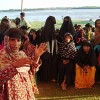
CLIMATE CHANGE: Bangladeshi Women on the Brink
Char Nongolia village is a basket case when it comes to climate change impacts such as increasing salinity, frequent cyclones, tidal surges, erratic rainfall and extended droughts.
ENVIRONMENT: Nepali Women Live With Climate Terror
Suntali Shrestha wrings her hands in tension and despair as she recounts how she has been spending sleepless nights fearing that the flood alarm in her village would go off while she slept and she would be submerged.
MALAWI: No Social Safety Nets for the Poor
In Mbedza village, a remote rural community in southern Malawi, Fedson Feston beams an infant’s awkward smile and swings his tiny arms up towards the face of his mother. Four months old, Fedson is too young to know how lucky he is to be alive.
GHANA: No Pensions for Majority of Elderly Women
On the grubby edge of Old Fadama, Accra’s infamous illegal slum settlement, 67-year-old Mariana Sayitou sits under a parasol and tends to her livelihood – selling several dozen kola nuts and a few piles of bagged beans to passers-by.
HORN OF AFRICA: Human Trafficking on the Rise Amid Drought and Famine
Amina Shakir (not her real name) fled the drought and famine in Somalia for a better life in Kenya. But she did so illegally, placing her faith in the hands of a criminal network headed by Mukhalis or agents in Swahili. In the end her faith was misplaced as she was "sold" into employment upon finally reaching Kenya.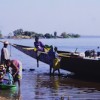
WEST AFRICA: Niger River under Pressure from Dams
Several major new dams are being constructed on the Niger River. It's a positive sign of growing investment in agriculture and energy, but it also has some observers worried.ZIMBABWE: Forcing Parents to Top Up Teachers’ Salaries Cannot Continue
As concerns deepen about the quality of education in Zimbabwe, parents can expect an indefinite extension of subsidising teacher salaries as the cash- strapped government struggles to meet the bloated civil service wage bill.
AFRICA: Regulating the Rush for Land
The adoption of international guidelines to regulate so-called land grabs has been pushed to next year after negotiators failed to agree on conditions for large-scale land investments and enforcement.WEST AFRICA: Solar Panels Light Up Remote Villages
Frequent power cuts have led people in rural areas of Burkina Faso, Mali and Senegal to turn to solar energy for electricity.LIBERIA: Former Warlord Backs Johnson-Sirleaf for Second Term
Former warlord Prince Johnson, who placed third in Liberia’s election last week, has endorsed the re-election bid of President Ellen Johnson-Sirleaf, who was named a joint winner of the Nobel Peace Prize just days before the vote.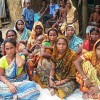
BANGLADESH: Reducing Poverty Hinges on Microcredit – Yunus
Reducing poverty in Bangladesh will depend critically on sustaining the successes of the country’s microcredit (MC) programmes, says Muhammad Yunus, the economist who shared the 2006 Nobel peace prize with his creation, Grameen Bank.
SOMALIA: Death Threats Fail to Stop Women’s Basketball
When Al-Shabaab militants called the Somali national women's basketball team captain, Suweys Ali Jama, and told her she had two options: to be killed or to stop playing basketball, she decided that neither was really an option at all.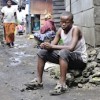
DR CONGO: Lasting Effects of War Destroy Children’s Future
Five years into democracy, with the elections just a few weeks away, the majority of Congolese children continue to face a bleak future.
TRADE: Developing Countries Out in the Cold at WTO
Developing countries, particularly from Africa, are concerned about attempts by industrialised nations to change the negotiating dynamic of the World Trade Organization.
DR CONGO: Refugees of Africa’s World War Still Fear Returning Home
It is a hot and humid morning in the village of Fube in southeastern Democratic Republic of Congo. Dust and smoke from morning fires and low-lying clouds mingle to give the horizon a distinctively fuzzy look.Africa Ravaged by Continued Denial of Market Access
The poorest countries in Africa are not merely the victims of natural calamities. They are also ravaged by the continued denial of market access as promised in the Doha trade negotiations, say African trade diplomats.
GHANA: Woes for Disabled Persist Five Years After Act
Emmanuel Joseph and George Amoah, two disabled Ghanaians, occupy different ends of the spectrum. The former lies on a piece of cardboard in Accra Central, his half-naked body twisted and mostly paralysed, the sun beating down on him while he waits to collect three dollars, the average proceeds of a day's begging.« Previous Page — Next Page »





The Week with IPS

NEXT STOP - SDGs
Tracking global progress towards a sustainable world
Tracking global progress towards a sustainable world
