Languages
Friday, October 2, 2026



News and Views from the Global South
Millennium Development Goals (MDGs)

Zimbabwe’s Battered Old Cars Worsening Air Pollution
It is a common sight in Zimbabwe’s rural areas – dilapidated old cars making their way from one district to the next overloaded with chickens, maize, luggage and people.
Key Global Financial Agencies Fall Short on Poverty Reduction
Key multilateral institutions charged with improving regulation of the international financial system are failing to democratise their governance and adequately consider the impact of their actions on the world's poor, says a new report by anti-poverty groups.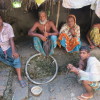
Bangladesh Ailing After Aila
It has been four years since Cyclone Aila struck Bangladesh, triggering floods and widespread destruction. But the villagers of Koira subdistrict, among the worst affected of the 11 districts hit by the cyclone, are yet to recover from its impact.
Refugees Eating Dogs to Beat Starvation
Acute food shortages have reached desperate levels in the Yarmouk refugee camp in Damascus. Leading religious figures in the camps have issued a fatwa permitting the killing and consumption of cats, dogs, mice, rats and donkeys.
Power Struggle Rises Over Tanzania’s Pangani River
As farmers and herders fight over dwindling water levels in the Pangani River Basin in northeastern Tanzania, a new dispute is emerging between farmers and the state-run power utility firm over this precious resource.
India Illegal Mining Enquiry Cut Short
A nationwide enquiry into illegal mining in India was aborted before it completed its investigation into the failings of the country’s mining industry. The study had prompted the government to ban mining in two states and arrest high-ranking politicians.
‘Dirty’ Christians Now Afraid to Clean
Like most Christians in Pakistan, Johar Maseeh did a little cleaning job. He was a sweeper in a factory in Peshawar, capital of Khyber Pakhtunkhwa province in northern Pakistan.
Plantations Winnow Tigers Down to the Hundreds
The tiger population in the rainforests of Sumatra is vanishing at a staggering rate, reducing the number of the endangered species to as few as 400, warns Greenpeace International.
‘Civil War’ Breaks Out Within Al-Shabaab
For years the Islamist extremist group Al-Shabaab was seen as the most cohesive, united and powerful force in the failed state of Somalia. But it is now disintegrating like a house of cards because of internal divisions and power struggles within its leadership, according to Abdiwahab Sheikh Abdisamad, a history and political science professor at Kenya’s Kenyatta University.
Mirror, Mirror – Who Is that Woman on TV?
Carla Vilas Boas is of mixed-race descent – African, European and indigenous - like a majority of the population of Brazil. But she spends hours straightening her hair, trying to look more like the blond, blue-eyed women she sees in the mirror of television.
Conflicts Over Water Rise in Tanzania
Conflicts over water are increasing in the sprawling Pangani River Basin in northeastern Tanzania as farmers and herders jostle for dwindling water resources in the face of climate change.
Groups Target Food Waste to Eliminate Hunger
If all food loss and waste around the world could be recovered, half the world's population, or 3.5 billion people, could be fed. Yet people throw away a third of food produced globally, an issue that inspired the theme of these year's World Food Day, sustainable food systems for food security and nutrition.
Struggling U.S. Families Threatened by Food Stamp Cuts
Near the Martin Luther King Jr. Library in downtown Washington, just a few blocks away from the federal district, dozens of homeless men and women wait for the evening shuttles that will take them to their dinners at one of many food shelters around the city.
When Poverty Quietly Morphs into Catastrophe
Wambui Karunyu, 72, and her seven-year-old grandson are the only surviving members of their immediate family. Karunyu’s husband and five children all succumbed to the hardships of living in the semi-arid area of lower Mukurweini district in central Kenya.
Walking an Economic Tightrope with No Safety Net
With the richest one percent of the population now owning 40 percent of global assets, and the bottom half sharing just one percent, inequality is fast being recognised as a stubborn underlying obstacle to development.
Finding Land for Cameroon’s Pastoralist Nomads
Adamou Harouna’s herd of cattle grazes leisurely on lush green vegetation in Ndop, a small village in Cameroon’s North West Region.
The Hurricanes Didn’t Bring the Hunger
A month after Hurricanes Ingrid and Manuel caused the worst destruction from a natural catastrophe in Mexico in 30 years, another disaster has come to light: hunger in communities that are supposedly served by a rural food supply programme.
Brazil in Reverse
In the last five years, Brazil has joined the ranks of the world’s big polluters, whose main source of greenhouse gases is the burning of fossil fuels.OP-ED: Grenada’s IMF Sunday School
As the International Monetary Fund shares initial proposals for Grenada's debt restructuring during the Washington DC meetings this week, the Caribbean island could gain a reputation for more than nutmeg, calypso, beaches and the 2012 gold medal sprinter Kirani James.
Zimbabweans Head Out for a Better Life
Admire Gumbo, 26, from Harare’s Mabvuku high density-suburb, is loathe to leave Zimbabwe to return to Botswana. However, he feels he has no choice but to return to the neighbouring country where he worked for three years as a manual labourer.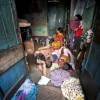
400 Million Children Mired in Extreme Poverty
Four hundred million children under 13 years of age are living in extreme poverty worldwide, according to a new study released by the World Bank here Thursday.« Previous Page — Next Page »


The Week with IPS

NEXT STOP - SDGs
Tracking global progress towards a sustainable world
Tracking global progress towards a sustainable world
