Languages
Sunday, November 8, 2026



News and Views from the Global South
Poverty & MDGs
Native Canadians See Way of Life Under Assault
Canada's West Coast First Nations are feeling overwhelmed by crises affecting their land rights, economic well-being and health, prompting warnings in one territorial dispute with a local energy company that the country risks a degeneration of Aboriginal-federal government relations to a level unseen in two decades.
Mauritius considers new abortion laws
 Mauritius has wants to allow abortion, but the Bill before Parliament specifies when this will be legal. Nasseem Ackbarally says arguments for and against the practice are taking centre stage in the island nation.
Audio Slide Show
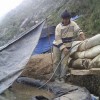
Runaway Gold Prices Spark Major Headaches for Guyana
Fabian George drank and generally used water from jungle rivers near his mountainside home for decades until world market prices for gold began climbing in recent years.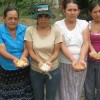
Rural Women in Peru Key to Adaptation of Seeds to Climate Change
For ages, rural women in the Peruvian highlands have been selecting and storing seeds, ensuring their preservation. But the authorities have failed to tap into this storehouse of knowledge and experience, despite the contributions it could make to the design of effective policies for adaptation to climate change, which poses a growing threat to the women’s livelihoods.ARGENTINA How to Sustain Highest Pension Coverage in Region
The Argentine pension system, renationalised in 2008, now covers more than 90 percent of people of retirement age, the highest coverage in Latin America. But analysts are concerned about its sustainability.HIV-Positive Women in Argentina Mainly Infected by Stable Partners
The immense majority of women diagnosed with HIV in Argentina in the last two years were infected through unprotected sex with their stable partners, a new report says.
Selling Ethanol Stoves in Mozambique to Generate Carbon Credits
Along a dirt road in Mozambique’s Sofala province, a long line of men on bicycles stretches into the distance, each carrying an impossibly big bag of charcoal strapped to his bike.
MALI: Food Aid Taking Too Long to Reach Needy
Her neat, bright yellow headscarf matches the rest of her outfit, but contrasts with her weary expression. Sokona Soumounou sits a little apart from the crowd queueing for assistance from the World Food Programme in the southern Mali town of Ségou.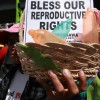
Conference Reaffirms Reproductive Rights
While much of the world is facing a global financial crisis, made worse by government cuts in social spending, members of parliament meeting here Wednesday agreed the economic crunch is no reason for governments to relax their commitment to women’s reproductive rights and health, made 18 years ago.
OP-ED: The Paradox of Losing Life While Giving Life in Africa
Three years ago, the African Union began a continent-wide campaign to reduce the number of women who die when pregnant or giving birth.
HAITI: Partners in Deforestation and “Slumification”
More than 100 Haitian families now have new housing, thanks to the support of two non-governmental organisations working on reconstruction following the country's devastating 2010 earthquake.
India’s Economic Growth Leaves Human Development in the Dust
Ahead of the Universal Periodic Review (UPR) of India, a coalition of NGOs denounced the gap between the country’s growth rate and the rate of poverty, malnutrition and lack of health and sanitation.
Vaccination – Pakistan’s Missing Shots
The deaths of 20 children in an outbreak of measles in Pakistan’s Federally Administered Tribal Agency (FATA) are raising concerns over the state of immunisation in the conflict-ridden areas along the Afghanistan border.
G8 Report Offers Worrying Look at Aid Accountability
Observers here on Tuesday lauded the newly released Group of Eight (G8) Camp David Accountability Report as a noteworthy step towards transparency and accountability, but warned that the data included suggest a looming shortfall in international agriculture-related foreign aid.
“Africa – a Place Where You Will Make Money, Not Lose Money”
Africa needs to reduce its dependency on foreign aid and get to the point of financing its own development, some of the continent’s key development experts say. Timing is optimal now that Africa is experiencing an economic boom with annual growth rates of up to eight percent.Caribbean Courts Mexico as Ally in the G20
The Caribbean Community bloc (Caricom) is lobbying Mexico to use its influence as chair of the G20, which controls 90 percent of world trade, to promote the interests of the Caribbean and other small island developing states when it meets in June.
Nothing to Show for Hard Work but Burnt Fields of Maize
Gertrude Mkoloi earns a living harvesting maize on a small piece of land in rural Zimbabwe. Or at least she used to.
Health service works for truck drivers
Truck drivers in Africa faces a serious risk of contracting HIV/Aids, but a new initiative could go a long way in educating them about the risks involved. Sipho Stuurman reports from Johannesburg
While Men Go Drinking, Women Go Fishing
Climate change may have led to declining water levels in Genda Village in Zambia’s Eastern Province, but Mercy Mwanza and the women here discovered there was a positive side to it and found a new way to earn a living.
Bangladesh Set to Take the Reins at Rio+20
Experts believe that the upcoming United Nations Earth Summit, Rio+ 20, scheduled to take place in Brazil from Jun.20-22, could be a real opportunity for Bangladesh to negotiate a road to sustainable development.
Helping Victims of Post-Election Crisis Obtain Justice in Côte d’Ivoire
Thousands of people suffered rape, torture and other violence during the post- electoral crisis in Côte d'Ivoire beginning in December 2010. But many survivors of rights violations have been afraid to seek justice for fear of reprisals by the perpetrators. An initiative by the International Federation of Human Rights aims to support 75 such victims as they bring their cases to court.« Previous Page — Next Page »





