Languages
Thursday, September 17, 2026



News and Views from the Global South
Poverty & MDGs

Pakistan’s Coal Rush: A Bubble Waiting to Burst
Mukhtar Ali is one of the many Pakistanis who are furious at politicians and authorities for failing to provide citizens with a regular supply of electricity during the smouldering summer months.
Cell Phones and Cash Grants Can Promote Growth and Development
Mobile-finance and direct cash grants are revolutionary tools that can substitute for under-developed financial sectors and help reduce poverty and promote entrepreneurship in developing countries, according to researchers here.
Working Cambodian Women ‘Too Poor’ to Have Children
The movement for reproductive justice sees women’s decision to have – or not have – children as a fundamental right. Should they choose to bear a child, women should have the right to care and provide for them; if they opt not to give birth, family planning services should be made available to enable women to space or prevent pregnancies.
Nearly One-Third of World’s Population Is Overweight
Over two billion people - or 30 percent of the world’s population - are either obese or overweight, and no country has successfully reduced obesity rates to date, according to a new study published this week by the British medical journal, The Lancet.
U.N. Development Programme Plans Lay-Offs, Salary Cuts and Demotions
The United Nations Development Programme (UNDP), one of the largest U.N. agencies with an estimated average annual budget of more than five billion dollars, is undergoing major structural changes - triggering large-scale staff layoffs, demotions, salary reductions and downgrading and abolition of existing senior-level jobs.
Small Farmers’ Loss of Land Increases World Hunger
The world is increasingly hungry because small farmers are losing access to farmland. Small farmers produce most of the world’s food but are now squeezed onto less than 25 percent of the world’s farmland, a new report reveals. Corporate and commercial farms, big biofuel operations and land speculators are pushing millions off their land.
U.N. Vows to Eliminate Open Defecation by 2025
At the height of his election campaign last October, Narendra Modi, India's Hindu nationalist leader, briefly set aside his spiritual aspirations when he told a surprised audience that economic development should take precedence over religion.
OP-ED: Why Ending Child Marriage in Africa Can No Longer Wait
Just 17 years old, Clarisse is already a mother of two, who lives with her husband and his four other wives in rural southern Chad. Three years earlier, she had watched her mom and sisters preparing food for a party one day. At first she celebrated along with everyone else, not realising it was her own wedding ceremony. When she discovered this, she was frantic.
Indian Girls Break Taboos on Menstrual Hygiene
Fifteen-year-old Nasreen Jehan, a student in the eastern Indian state of Bihar, proudly flaunts a yellow and red beaded bracelet encircling her wrist. This humble accessory, she tells IPS, is her most treasured possession.
Schools Reflect Segregation in Chile’s Educational System
The decentralisation of Chile’s public schools, which were handed over to the municipalities to run in 1981, gave rise to a de facto segregation that has cast a shadow over several generations of Chileans.
Protests Threaten to Paralyse Brazil Ahead of World Cup
As the FIFA World Cup approaches, the streets of Brazil are heating up with strikes and demonstrations, and there are worries that the social unrest could escalate into a wave of protests similar to the ones that shook the country in June 2013.
Divided Opinions on Feasibility of Kenya’s Option B+ Roll Out
Kenya’s health sector has been facing significant challenges, ranging from a shortage of health care providers to a series of labour strikes. The problems have not only disrupted health services, but have HIV experts divided on whether to roll out Option B+ nationwide or just to pilot it in high volume facilities such as major referral hospitals.
African Union Takes Stock of 51 Years as Terrorism Spreads Across Continent
As the African Union is set to celebrate its 51st birthday on May 25, it does so as the continent remains caught up in a tide of terrorist conflicts, which many analysts feel the AU has done little to resolve.
U.S. Pledges to Reduce Child Stunting by Two Million Globally
The U.S. government has pledged to reduce the number of chronically malnourished children around the world by at least two million over the next half decade, receiving an initial positive response from the development community.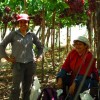
Seasonal Agricultural Workers Left Out of Chilean Boom
Tens of thousands of women employed as seasonal workers in rural areas of Chile suffer high levels of poverty and poor working conditions, even though their labour generates huge profits for agricultural exporters.
Tracking the Democratic “Alternative from the South”
Democratic governance offers a viable option for developing countries to achieve economic growth and inclusion, yet this doesn’t need to follow the Western model, new research released here this week suggests.
The Biggest Mideast Crisis You Probably Don’t Know Enough About
The Middle East’s seemingly endless conflicts are diverting attention and resources from a graver long-term threat that looms over the whole region: the growing scarcity of water. And the situation will get worse before it gets better — if it ever does get better.
Pushing Newborn Deaths and Stillbirths Up Global Health Agenda
Delegates to this week’s annual meeting of the World Health Assembly (WHA) in Geneva should agree on an ambitious agenda to sharply cut the rate of newborn deaths and stillbirths over the next two decades, according to maternal and infant health experts.
Bolivia’s Mother Earth Law Hard to Implement
The law for the defence of Mother Earth passed by Bolivia a year and a half ago has not yet moved from good intentions to concrete action.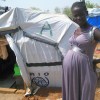
OP-ED: Violence Leaves Women, Girls, and Young People on the Edge in South Sudan
As with many conflicts and other humanitarian emergencies around the world, those who suffer the most are women, young girls and children. The current terrible crisis in South Sudan is no exception.
Syrian Doctors Grapple With Medical Emergency and Ethics
As once-eliminated diseases resurface and barrel bombs and alleged chlorine attacks target civilians, doctors in rebel-held areas and across the border struggle with issues of how best to serve their profession.« Previous Page — Next Page »


