Languages
Monday, May 13, 2024



News and Views from the Global South
Poverty

Urban Farming Mushrooms in Africa Amid Food Deficits
There is a scramble for unoccupied land in Africa, but this time it is not British, Portuguese, French or other colonialists racing to occupy the continent’s vacant land – it is the continent’s urban dwellers fast turning to urban farming amid the rampant food shortages that have not spared them.Faith Leaders Call for Debt Relief to Puerto Rico
Puerto Rico’s religious leaders have called for debt relief of the Caribbean U.S. territory in the face of the 72 billion dollar liability that represents 20,000 dollars of debt for every man, woman and child.OECD Urges Further Reforms for an Inclusive South Africa
While lauding South Africa for impressive social progress over the past two decades, a new study has asked the country to build on the successes achieved and reduce inequality further.
OPEC Fund Supports UNIDO in Latin America
The OPEC Fund for International Development (OFID) has agreed to give the United Nations Industrial Development Organization (UNIDO) a grant in support of a project aimed at improving the productivity and competitiveness of the shrimp value chain in the Latin America and Caribbean (LAC) region.
Poverty and Slavery Often Go Hand-in-Hand for Africa’s Children
“Poverty has become part of me,” says 13-year-old Aminata Kabangele from the Democratic Republic of Congo. “I have learned to live with the reality that nobody cares for me.”
Time is up on the Millennium Development Goals
 After 15 years of trying to meet the targets set out to address extreme poverty, the 193 member states of the United Nations have almost reached consensus on a more broad-reaching group of goals.

Mexico’s Anti-Poverty Programmes Are Losing the Battle
While most of Latin America has been reducing poverty, Mexico is moving in the other direction: new official figures reflect an increase in the number of poor in the last two years, despite the billions of dollars channeled into a broad range of programmes aimed at combating the problem.
Fish Farming Now a Big Hit in Africa
Hillary Thompson, aged 62, throws some grains of left-over rice from his last meal, mixed with some beer dregs from his sorghum brew, into a swimming pool that he has converted into a fish pond.
‘Permaculture the African Way’ in Cameroon’s Only Eco-Village
Marking a shift away from the growing trend of abandoning sustainable life styles and drifting from traditional customs and routines, Joshua Konkankoh is a Cameroonian farmer with a vision – that the answer to food insecurity lies in sustainable and organic methods of farming.
Kenyan Pastoralists Fighting Climate Change Through Food Forests
Sipian Lesan bends to attend to the Vangueria infausta or African medlar plant that he planted almost two years ago. He takes great care not to damage the soft, velvety, acorn-shaped buds of this hardy and drought-resistant plant. ”All over here it is dry,” says the 51-year-old Samburu semi-nomadic pastoralist.
Opinion: European Federalism and Missed Opportunities
"A serious political and social crisis will sweep through the euro countries if they do not decide to strengthen the integration of their economies. The euro zone crisis did not begin with the Greek crisis, but was manifested much earlier, when a monetary union was created without economic and fiscal union in the context of a financial sector drugged on debt and speculation.”
Africa Advised to Take DIY Approach to Climate Resilience
African countries would do well to take their own lead in finding ways to better adapt to and mitigate the changes that climate may impose on future generations instead of relying only on foreign aid.
Museums Taking Stand for Human Rights, Rejecting ‘Neutrality’
An exhibition on modern-day slavery at the International Slavery Museum in this northern English town is just one example of a museum choosing to focus on human rights, and being “upfront” about it.
Opinion: Mandela Day – Where Do We Stand Today?
Today Jul. 18 is Mandela Day, the annual international day in honour of the late Nelson Mandela, the first democratically-elected President of the Republic of South Africa.
Funding For Desperate Palestinian Refugees Under Threat
The U.N. Relief and Works Agency (UNRWA) faces a severe financial crisis which could see core services to desperate Palestinian refugees in Syria, Lebanon, Gaza and the West Bank halted unless donors step in before the end of September.
Opinion: The ACP at 40 – Repositioning as a Global Player
In his memoirs, Glimpses of a Global Life, Sir Shridath Ramphal, then-Foreign Minister of the Republic of Guyana, who played a leading role in the evolution of the Lomé negotiations that lead to the birth of the African, Caribbean and Pacific (ACP) Group of States, pointed to the significant lessons of that engagement of developed and developing countries some 40 years ago and had this to say:
Rights Groups Call for Durable Solution for Europe’s Migrants
Human rights groups are calling for a sustainable solution to the migrant crisis in Europe, especially following the dismantling of refugee camps in Paris and Calais, France, over the past two weeks.Africa on Threshold of Triple Energy Win for People, Power and Planet
Renewable energy is at the forefront of the changes sweeping Africa, and a “triple win” is within the region’s grasp to increase agricultural productivity, improve resilience to climate change, and contribute to long-term reductions in dangerous carbon emissions.
Cameroonian Women and Girls Saying No to Child Marriage
Twelve-year-old Bienvienue Taguieke was expected to obey her parents and marry a man 40 years her senior, but an association of women in Cameroon’s Far North Region, where child marriages are rife, put a stop to it in a sign that women are starting to speaking out against the practice.
Why ACP Countries Matter for the EU Post-2015 Development Agenda
We are witnessing a shift in the original rationale behind the unique relationship between the European Union and the African, Caribbean and Pacific countries of the ACP group, which goes beyond the logic of “unilateral aid transfer”, “donor-recipient approach” and “North-South dialogue”.
G7’s Coal Addiction Behind Hunger
As heads of state and government of the G7 states prepare for their Jun. 7-8 summit in Germany, Oxfam has released a new report titled Let Them Eat Coal which they may find hard to digest.« Previous Page — Next Page »








The Week with IPS

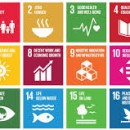
NEXT STOP - SDGs
Tracking global progress towards a sustainable world
Tracking global progress towards a sustainable world
