Languages
Tuesday, November 17, 2026



News and Views from the Global South
Editors' Choice

After Persecution, Rohingyas Face Erasure
An exiled leader of the Rohingyas, a persecuted Muslim minority in Myanmar, is raising the alarm from his London office about the fate of his community. He fears “ethnocide to remove all references to the Rohingyas” if the first census in 30 years goes ahead in the Southeast Asian nation.
Egyptian Revolution Brings an IVF Rush
The young couple inspecting Dr Bassem Elhelw’s Cairo Fertility Clinic knew what they wanted from him: a baby boy. They also knew they wanted the child by in vitro fertilisation (IVF).
For the Disabled, Progress Unearths More Questions
When U.N. Secretary-General Ban Ki-moon opened a recent high-level meeting on disability and development that promised a place for the issue in the post-2015 agenda, he cited three examples of incapacity.
100-Dollar Dream Teases Bangladesh Workers
On the industrial outskirts of Dhaka, which is dotted with big and small clothes factories, thousands of workers took to the streets demanding a minimum wage rise.
From Africa to Brazil in the Hold of a Ship
Ornela Mbenga Sebo, a young Congolese woman, escaped in 2011 from a rebel camp in an unidentified location in Africa where she was being held as a slave and stowed away in the garbage bay of a merchant ship, with no idea where it was headed.
Disabled Make Do with Scraps from the Aid Table
Amidst the incomprehensible suffering that followed the 2010 earthquake in Haiti, international aid agencies rushed to provide services to the displaced and injured.
Egypt Paying a Price for ‘Cheap’ Labour
Egyptian workers who mobilised during the 2011 uprising that toppled the regime of Hosni Mubarak have used the past two and a half years to organise into unions, press for labour reforms, and strike for better wages and working conditions.
‘Interrogating’ an Assad Militiaman
The prisoner is led, handcuffed and dirty, into what until last year served as a school. “A shabiha,” said one of the anti-regime rebels in the room. “We found him two days ago at a checkpoint.”
/CORRECTED REPEAT/Healthcare Loses Support in Somalia
Maryan Yusuf, 39, is weak and barely able to speak because of her excruciating pain. A few hours earlier she delivered a baby at Somalia’s Afgooye Hospital, where essential drugs are dwindling at an alarming rate.
More Egyptian Unrest Rises in Social Media
Gory social media images that fueled the global Jihadist influx into Syria 18 months ago are back. But this time the outpouring is coming from Egypt.
Weakening Al-Shabaab Finds New Aggression
Strong action now expected against the al-Shabaab group may well end up strengthening the group rather than weakening it, local people fear. The extremist group is suspected of involvement in the attack on the Westgate mall in Nairobi.
Victims Memorial in Spain Awaits Names of the Dead
A pyramid is being built in the old San Rafael cemetery in the southern Spanish city of Málaga - a monument to thousands of people shot by firing squads here during the 1936-1939 Spanish Civil War and the 1939-1975 dictatorship of General Francisco Franco.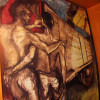
Pakistani Gays Stifled in Closet Living
It took fifty-something Sameer*, father of two, 25 years of marriage and deceit to eventually break free and come out of the closet three years back.
Poverty Declines as Inequality Deepens
As world leaders from 193 countries evaluate the successes and failures of the Millennium Development Goals (MDGs) during high-level meetings and special events here, the United Nations claims that extreme poverty worldwide has been cut in half.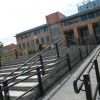
Sponsor a University Student in Spain
Adopt a tree. Adopt a polar bear. Sponsor a child in a poor country. The concept has caught on in Spain’s troubled academic system and now people and companies can sponsor a university student.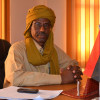
Southern Libya Awaits Another Spring
“The government doesn’t care about us because we are from the south,” Mohamed Salah Lichekh, head of the Oubari local council in southern Libya, told IPS, expressing the majority sentiment in this part of the country.
U.S., Iran Trade Cautious Overtures at U.N.
While the U.S. and Iranian heads of state have yet to meet, the 68th session of the United Nations General Assembly may mark a new era between the two countries.
Boats of Hope Head for Australian Rocks
It was a decision based on simple sums. Ananda, 28, from Weligama in the southern Sri Lankan district Matara decided to risk it all boarding a boat to Australia last year because he never had enough money.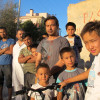
It’s Afghanistan Again in a Turkish Town
People run back home at dusk, just when the shooting intensifies. To Sha Mehmed the experience is familiar. He was 11 when he left his native Afghan village to settle in this small Turkish town on the border with Syria.
Cuban Athletes Score against Violence
It is unusual to see Cuban sports legends in public service announcements. However, a handful of champions and rising young stars are wearing messages or appearing in TV spots against violence among men or toward women.
Ghana’s Growing Economy Fails to Create Jobs
Ghana’s economy registered 7.1 percent growth last year but 23-year-old Jennifer Esi Avemee has had difficulty securing a permanent job since graduating in 2011. “It's very stressful,” she laments. “It's very hard to sustain yourself.”« Previous Page — Next Page »


The Week with IPS

NEXT STOP - SDGs
Tracking global progress towards a sustainable world
Tracking global progress towards a sustainable world
