Languages
Sunday, November 15, 2026



News and Views from the Global South
Africa
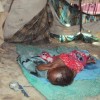
SOMALIA: Aid Dwindles, Disease Spreads
Doctors in Mogadishu are warning that famine victims in internally displaced camps have become vulnerable to contagious diseases like cholera and measles, as conditions here are ripe for an outbreak. This comes as internally displaced persons complain that relief aid to some camps has dwindled or stopped.
MALAWI: Painkillers Prescribed for Malaria Amid Drug Shortage
Malawi is experiencing a drug shortage as the country's international donors remain reluctant to release aid meant for the health sector.
CLIMATE CHANGE: A Threat to Food Security in Africa’s River Basins
While Africa has successfully avoided conflict over shared water courses, it will need greater diplomacy to keep the peace as new research warns that climate change will have an effect on food productivity.
World’s Biggest Hydropower Scheme Will Leave Africans in the Dark
South Africa and the Democratic Republic of Congo have signed an agreement to build a major hydroelectric power project, which is said to bring electricity to more than half of the continent’s 900 million people. But economic analysts warn that foreign investors will prevent the grid from benefiting the general public.
Angolan Spring – Protests Shaking Up Authorities
Adolfo Andre knows what he wants for his country and says he will fight on until he gets it.MALAWI: Water Promises Light for Isolated Community
In just a few weeks, seven villages that had expected to remain "in the dark forever" will finally have electricity, courtesy of a small hydroelectric power plant on Lichenya River, one of the major rivers on the eastern slopes of Mulanje Mountain in southern Malawi.
ZIMBABWE: Rural Women Banking By Mobile Phone
Collecting the monthly subscriptions for her co-operative has always been a headache for Thelma Nare, 41. This is because Nare lives in Tshitshi, Plumtree in rural Zimbabwe, about 60 kilometres away from the humdrum of the nearest town centre where banks are located.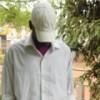
Unreported Horrors – Male Rape in DR Congo
They are men who have lost all pride and self-confidence and who have been left severely traumatised by their experience. At the medical centre in Uganda where they are being treated, they talked candidly about the crimes carried out against them.
Regional farmers union wants agriculture in COP17 text
 The Southern African Confederation of Agricultural Unions, SACAU, says the COP17 discussions in Durban later this month is an opportunity to put agriculture on the climate change map. Tinus de Jager asked Ishmael Sunga, the confederation CEO, what they are pushing for at the end of November.

Landgrabbing in Ethiopia: Legal Lease or Stolen Soil?
Kneeling in the middle of a sugar cane field in blistering 40 degree heat, a young boy is digging up weeds while an Indian worker stands over him to make sure he does not miss any. Red is eight years old and earns 73 pence for one day's work - less than the cost of using pesticides.DR CONGO: Election Promises of Peace and Security
The 11 candidates contesting presidential elections in the Democratic Republic of Congo all pledge to improve peace and security in the country - promises received with varying degrees of scepticism by Congolese voters.
AFRICA: Failure to Adopt Technology in Libraries Results in Fewer Users
Simret Mebrahtu has been an infrequent visitor to the National Library of Uganda in the centre of Kampala for nearly two years. A student, she stops by every couple of weeks to use the cheap internet connection if one of the few computers is available.DR CONGO: No Real Programme Behind Campaign Promises
"In truth, none of the candidates and none of the parties have a programme for society," asserts Mastaki Mushosi, one of the leaders of the National Union of Catholic School Teachers in the Democratic Republic of Congo.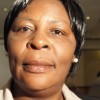
Kenya’s Two Female Supreme Court Justices Set to Work
Deputy Chief Justice of Kenya’s Supreme Court Nancy Baraza, who made history as the first woman appointed to the post, has begun overhauling the country’s judiciary.
OP-ED: Rwandan Refugees Fear Cessation Clause
They should be wary of each other. The historical conflict between their ethnicities has resulted in Africa’s largest genocide.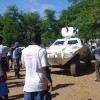
LIBERIA: Runoff Goes Ahead Despite Boycott and Killings
Liberians headed to the polls in what appeared to be modest numbers Tuesday morning for a presidential runoff that has been marred by an opposition boycott and the deaths of at least two demonstrators at an opposition rally.
MALAWI: No Social Safety Nets for the Poor
In Mbedza village, a remote rural community in southern Malawi, Fedson Feston beams an infant’s awkward smile and swings his tiny arms up towards the face of his mother. Four months old, Fedson is too young to know how lucky he is to be alive.
Africa’s Free Trade Zone: A Pie in the Sky?
African heads of state have ambitious plans to create a free trade zone, encompassing 26 countries and more than 600 million people on the continent. But economic experts warn the project is a bold step that comes with a plethora of legal, administrative and political hurdles. Others suggest the plan might be a pie in the sky.
GHANA: No Pensions for Majority of Elderly Women
On the grubby edge of Old Fadama, Accra’s infamous illegal slum settlement, 67-year-old Mariana Sayitou sits under a parasol and tends to her livelihood – selling several dozen kola nuts and a few piles of bagged beans to passers-by.
SOUTH AFRICA: Saving Water, Money and Improving Livelihoods
For many months now, a hosepipe connected to a leaking cistern in Isaac Mooi's outside toilet daily pours an estimated 100 litres of wasted water into the aged sewer system of the Emfuleni Municipality, in Vanderbijlpark, south of Johannesburg.
DR CONGO: Rehabilitating Former Child Soldiers Who “Liked” Killing
Murhula’s* life changed forever when he was nine years old. It was the year that he learned to kill, torture and rape.« Previous Page — Next Page »


The Week with IPS

NEXT STOP - SDGs
Tracking global progress towards a sustainable world
Tracking global progress towards a sustainable world
