Languages
Sunday, November 22, 2026



News and Views from the Global South
Latin America & the Caribbean

Declaration of War in Mato Grosso do Sul
The land conflict between the Guaraní-Kaiowá indigenous people and large landowners in the southwestern Brazilian state of Mato Grosso do Sul is a powder keg ready to explode, say observers.
Capitalising on Natural Disasters in Guatemala
In a country as vulnerable to natural disasters as Guatemala, a “state of public calamity” is frequently declared – to the joy of contractors, which find a good opportunity to line their pockets.
Mystery Surrounds Reported Massacre of Yanomami Village
Up to 80 Yanomami men, women and children in a remote community in the Amazon jungle in southern Venezuela were reportedly killed in early July by wildcat gold miners from Brazil, according to indigenous organisations.
Cuban Women Face Challenges of Self-Employment
Beatriz Lemes took her time deciding, and finally agreed “apprehensively” to take the job of heading a state-run company that is making the transition to financial autonomy, a system that is spreading throughout Cuba and is testing women’s capacities, among other things.
Debate on Asbestos Safety Reaches Brazil’s Supreme Court
Brazil’s Supreme Court is assessing the level of risk posed by asbestos to human health, while industry defends its use under controlled conditions, and associations of people with asbestos-related diseases argue that it should not be used under any circumstances, even with regulations.
Q&A: “Another Chile Is Possible, with Greater Democracy and Social Rights”
It is essential for young people in Chile to assume a more active role in politics, especially in two key electoral processes: the municipal elections in October and the legislative and presidential vote in 2013, says student leader Camila Vallejo, who has not ruled out running for a seat in parliament herself.Five Years of Protests in Nicaragua for a Partial Pension
Luisa Gutiérrez, 65, dances a frenzied mambo on an unusual dance floor: a street in the Nicaraguan capital. Dozens of cars line up behind her, honking their horns impatiently, while she, surrounded by elderly people with canes, walkers and protest signs, dances to demand a government pension.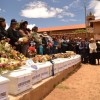
Peru Identifies Civil War Victims – at Snail’s Pace
Of the 69,000 people killed during the 1980-2000 armed conflict in Peru, at least 16,000 were buried in secret unmarked graves. So far, only 2,064 of these bodies have been recovered, and just 50 percent have been identified, according to a new report.
Hurricane Isaac Highlights Vulnerabilities in the Caribbean
The impact of Hurricane Isaac as it made its way through the Caribbean region highlighted both the fragility of some countries in the face of extreme meteorological events, which are expected to become more and more intense, and the different strategies adopted to mitigate the risk of disasters.
Colombia to Seek Its Own Oslo Accord
The Colombian government and FARC rebels will start formal peace talks in Oslo on Oct. 5, in an attempt to put an end to an armed conflict that has gone through different stages since 1946, with brief lulls.
Argentina – The Promised Land for South American Neighbours
"The new buildings in the Argentine capital were built by Paraguayans,” Isidro Méndez says with some pride. The 60-year-old immigrant, who runs a construction company, is one of the hundreds of thousands of foreigners who came to this country with hopes for a better future.
Palestinians Find Refuge Across the Atlantic
Issam Ali Hassan spent more than four years in an isolated desert camp in Jordan before he was taken in by Brazil. The son of Palestinians had been living as a refugee in Baghdad when he had to escape after the United States invaded Iraq in 2003.
In Uruguay, the Answer Is Blowing in the Wind
Uruguay needs to reinforce and expand its electric power grid to absorb the 1,200 megawatts of wind energy that it plans to generate by 2015.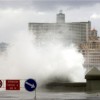
Feminine Creativity in the Face of Natural Disasters in Cuba
Blanca Lima raises all her appliances above flood level, puts boxes of clothes on top of wardrobes, and fills the shelves she installed near the ceiling with all kinds of objects. In less than an hour, she is ready to evacuate her home in case of a flood in the Cuban capital.
Gangs and Government Put Their Cards on the Table in El Salvador
The two main youth gangs in El Salvador and the government have exchanged the main points they would like to discuss in talks aimed at bringing to an end to two decades of spiraling criminal violence. But the media, legislators and the public at large remain hostile to the possible start of negotiations.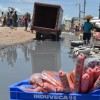
Marketing in the Mud Along the Dominican Border
Getting around on market day along the muddy border between the Dominican Republic and Haiti is almost impossible for those unfamiliar with the art of dodging the trucks, motorcycles and bicycles swerving amidst the messy piles of products scattered all over, and weaving among the hundreds of people coming and going between the two countries.
Brazil Perfects Monitoring of Amazon Carbon Emissions
A new system to calculate the amount of greenhouse gases generated by deforestation in Brazil’s Amazon jungle region has come at a good time for assessing the effects of the reform of the country’s forest code.
Activists Alarmed at Release of Dorothy Stang’s Murderer
The release from prison of the Brazilian rancher found guilty of ordering the 2005 murder of U.S.-born rainforest activist and nun Dorothy Stang has alarmed human rights defenders, who warn that it could set a dangerous precedent in other cases involving land disputes and the rights of poor farmers.
Q&A: “The Trend in the Western World Is the Dissolution of Cities”
The prevailing trend in much of “the Western capitalist world is the destruction and dissolution of cities,” which represents a threaten to democracy, “because the city is the place where public freedoms were born,” warns urban planner Jordi Borja in an interview with Tierramérica*.
Shelters for Undocumented Migrants under Threat in Mexico
Two years after the massacre of 72 migrants in Mexico, shelters for undocumented migrants are facing challenges and threats, due to the rise in the number of people seeking assistance, the lack of solidarity on the part of local communities, pressure from organised crime, and a lack of adequate public policies addressing the problem of migration.Macro Privatisations Bring Micro Benefits to Guatemalans
The suspension of the privatisation of a port company unleashed debate in Guatemala about the countless concessions granted to foreign companies in areas like oil, mining, railways and energy, where corporate interests are seen as prevailing over the common good.« Previous Page — Next Page »


The Week with IPS

NEXT STOP - SDGs
Tracking global progress towards a sustainable world
Tracking global progress towards a sustainable world

