Languages
Friday, November 20, 2026



News and Views from the Global South
Poverty & SDGs

Mexico to Export Nixtamalisation of Grains to Africa
Every day in the wee hours of the morning Verónica Reyes’ extended family grinds corn to make the dough they use in the tacos they sell from their food truck in Mexico City.
Another Himalayan Blunder
South Asian integration remains a distant dream as some member countries like Nepal resent India’s big brotherly dominance in the region. They perceive that they have no stakes in India’s rise as an economic power. Ensuring unrestricted market access perhaps would have made a big difference in this regard. Their resentment has only deepened as this hasn’t happened. Instead they have registered growing trade deficits with India! The on-going travails of the Himalayan kingdom vis-a-vis India exemplify the problematic nature of integration in a region that accounts for 44 per cent of the world’s poor and one-fourth of its’ population.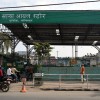
Earthquake Survivors Struggle Amid Fuel Shortages Due to Protests
At 40, Durga Rajak, co-owner of “Mailadai Hans ko Choila,” a popular eatery in Kathmandu, is learning to light a stove all over again. However, this time she is using diesel fuel instead of kerosene. She admits this is a risky job. “There is always the danger of a blast, so I must never pump the handle too fast or raise the flames too high,” she said.
Beekeeping Helps Pakistan Farmers Cope with Crop Losses
Farmers in the rain-dependent district of Chakwal in Punjab province of Pakistan are finding relief in beekeeping as the groundnut crop suffers a blow from shifting rainfall patterns.
COP 21 Should be making People Ask: ‘Where Does My Turkey Come From?’
As the festive season begins, some farmers say that consumers should be asking about the origins of their food, and thinking about who produces it, especially in light of the historic accord reached at the United Nations Climate Change Conference (COP 21) on Dec. 12 in Paris.
Weak Agriculture Finance Feeds Malnutrition in Zimbabwe
Successive poor harvests have diminished Ndodana Makhalima's household food stocks and the family’s nutrition status. A subsistence farmer in Lupane, about 110 kilometres north of Zimbabwe’s second city, Bulawayo, 56 year-old Makhalima has learnt to live with hunger on his door step.Farmers, CSOs Rally Behind Environmentalist Jailed for Exposing Land Grabbing in Cameroon
Farmers and activists in Cameroon say a jail sentence handed down on an environmentalist who exposed land-grabbing by a multinational agro-industrial company, sends a dangerous signal to communities trying to protect their land and resources.
Haina, a Dominican City Famous Only for Its Pollution
Rubbish covers the beaches and clutters the rivers, the garbage dump is not properly managed, and more than 100 factories spew toxic fumes into the air in the city of Bajos de Haina, a major industrial hub and port city in the Dominican Republic.
Silence, Please! A New Middle East Is in the Making
When, in June 2006, former US National Security adviser and, later on, Secretary of State, Condoleezza Rice, spelled out the George W. Bush administration new, magic doctrine for the Middle East, tons of ink was poured and millions of words said in a harsh attempt to speculate with what she really did mean by what she called “Creative Chaos.”
Africa Closer to a Cure for Banana Disease
In one Ugandan dialect, 'kiwotoka', describes the steamed look of banana plants affected by the Banana Xanthomonas Wilt (BXW) - a virulent disease that is pushing African farmers out of business and into poverty.
Pacific Islands’ Marine Reserve: Safe Haven for Depleted Tuna and New Holiday Spot
President Tommy Remengesau Jr. of the Pacific island nation of Palau has cemented a legacy as the world’s most effective protector of marine life by creating a giant marine reserve that will directly benefit his people through increasing tourism and securing its food supply, scientists say.
Paris Delivers Historic Climate Treaty, but Leaves Gender Untouched
After 2 weeks of intense negotiations, on Saturday evening, the 21st UN climate conference (COP21) in Paris finally delivered a historic agreement that, for the first time, promises to keep the global warming under 2 degrees Celsius. The treaty, consisting 31 pages and signed by by 196 countries, include the big five steps of climate action:Climate Change and Women Across Three Continents
The link between women in climate change is a cross-cutting issue that deserves greater recognition at climate negotiations. It is pervasive, touching everything; from health and agriculture to sanitation and education.
Brazil’s Amazon River Ports Give Rise to Dreams and Nightmares
River port terminals in the northern Brazilian city of Santarém are considered strategic by the government. But what some see as an opportunity for development is for others an irreversible change in what was previously a well-preserved part of the Amazon rainforest.Tackling Climate Change in Africa: Europe’s Solution to the Migrant Crisis?
As thousands of Africans arrive in Europe every month, often risking their lives aboard shaky boats to get to a better life, lack of access to energy could be one of the reasons for their exodus.
Water and Sanitation: Bridging the Gender Gap on India’s Seas
Jeeja Behera, 34, the wife of a fisherman in the village of Sannapatna in India’s cyclone prone Puri district, dreads the onset of the cyclone season between October and January every year due to the lack of water, sanitation and hygiene in cyclone shelters.
Immigration – Still a Pending Issue in Cuban-U.S. Relations
The crisis that has broken out at several border crossings in Latin America as a result of thousands of Cubans attempting to reach the United States has revived a problem that remains unresolved between the two countries in spite of agreements, negotiations and the diplomatic thaw that started a year ago.Development Aid on the Decline, Warns New Study
UN Secretary-General Ban Ki-moon expressed fears last month that increases in humanitarian aid to thousands of refugees invading Europe could result in sharp cuts on development aid by Western donors.
Farmers to COP 21: Don’t Bite the Hand That Feeds You!
When Dr. Evelyn Nguleka says that the world’s people shouldn’t bite the hand that feeds them, she explains that she’s not only referring to protecting farmers, but also to safeguarding the environment.
Cities Emerge as Urgent Climate Solution at COP21
As the climate conference advances into its final stages amid the colossal challenge of having 195 countries agree on a single and unified global policy on climate change, urban areas appear a a different issue but complementary solution for all.
Caribbean Looks to Aquaculture Food Security to Combat Climate Change
Jimmi Jones and wife Sandra Lee’s fish farm in Belize City is unique. His fish tanks supply water and nutrients for his vegetable garden needs and the plants filter the water that is recycled back to the tanks.« Previous Page — Next Page »


 Romani people in Cairo, Egypt, forage through trash. Credit: UN Photo/Armineh Johannes
In 2015, the United Nations adopted the Sustainable Development Goals (SDGs) in an effort to promote “peace and prosperity for people and the planet.” To achieve that goal, it is essential to provide equal opportunities and access to basic services to all people. The 2025 UN SDG Report found that 35% of the 169 SDG targets are on track or making moderate progress, while 18% have reversed compared to the 2025 baseline. One in ten people still live in extreme poverty, one in eleven experience food insecurity, and over 1.1 billion people live in slums without access to clean water and sanitation. It is imperative to acknowledge the societal, technological, economic, and political issues that sustain poverty in countries around the world. Eradicating poverty will require significant frameworks in policy and governance on a national and international scale to ensure that all people will have equal access to basic services and economic opportunities by 2030. Furthermore, a dramatic reduction of United States foreign aid in 2025, including the termination of 83% of USAID programmes, threatens to erode years of fragile development gains.
Throughout the world, violent conflict and natural disasters also contribute to extreme poverty. The complete destruction of infrastructure and blockage of aid has significantly impoverished Palestine since October 7th. The destructive impact of Hurricane Maria in Puerto Rico left $91 billion in damage. An inadequate US government response also revealed significant and enduring questions within the issue of mitigating poverty: how do we rebuild infrastructure after its destruction? How do we restimulate economic development and bring in financial aid after disasters? Similar questions have been raised in the realm of regional cooperation, as devastating floods have wrecked hundreds of thousands of homes across multiple Southeast Asian nations in the past few years. Furthermore, the COVID-19 pandemic has greatly exacerbated the global poverty crisis, particularly in developing countries, setting back the United Nations goal of eradicating poverty by 2030.
IPS is committed to providing comprehensive features that focus on the persisting environmental, sociopolitical, and systemic issues that sustain poverty, and the steps taken worldwide towards poverty eradication.

The Week with IPS

NEXT STOP - SDGs
Tracking global progress towards a sustainable world
Tracking global progress towards a sustainable world

