Languages
Tuesday, October 6, 2026



News and Views from the Global South
Latin America & the Caribbean

Coffee Producers in Costa Rica Use Science to Tackle Climate Change
“Our coffee production per hectare has dropped due to early ripening of the fruit and diseases,” Maritza Cal[related_articles][related_articles] coffee farmer in the mountains in southern Costa Rica, told IPS.
Colombia Referendum – First Acid Test for Peace
It was like a huge party in Colombia. “Congratulations!” people said to each other, before hugging. “Only 20 minutes to go!” one office worker said, hurrying on her way to Bolívar square, in the heart of Bogotá. And everyone knew what she was talking about, and hurried along too. Complete strangers exchanged winks of complicity.A Historic Day in Colombia
Betsaida and her family abandoned their home and a small business in the port of Tumaco, in the Pacific of Colombia, and were forced to follow the road that more than 7 million displaced Colombians have as a result of the armed conflict. Their story, and that of millions of victims of the war, is at the heart of what the United Nations Organization is and does. Seventy-one years after its creation, the universal aspiration to end war, reaffirm the fundamental human rights and promote social progress is latent and more crucial than ever.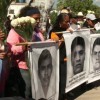
Two years on, Peña Nieto cannot brush off Ayotzinapa stain
There are certain events that mark a turning point in a country. The way a government decides to handle them defines the way they will go down in the history books.
Mexico City’s Expansion Creates Tension between Residents and Authorities
People living in neighborhoods affected by the expansion of urban construction suffer a “double displacement”, with changes in their habitat and the driving up of prices in the area, in a process in which “we are not taken into account,” said Natalia Lara, a member of an assembly of local residents in the south of Mexico City.
Rural Growth in Colombia: Yara Steps In to Increase Productivity
Following the recent peace agreement between the Colombian government and the FARC in Cartagena which concludes a 52-year armed conflict, the country is now geared toward improving productivity in its agricultural sector. Yara International, a leader in crop nutrition and farmer support, has taken the timely step of supporting the government’s efforts on this issue.
Argentina at Risk of an Educational System Serving the Market
In Argentina, teachers, students and trade unionists are protesting against mass redundancies in education, which they say are part of a process of undermining public education and a move towards a new model based on market needs.
No One Is Indispensable in a Democracy
I have put a great deal of thought into whether or not to return to politics. Groups from different political parties, and without party affiliation, have expressed their concern over the current situation in the country and have offered me their support. And the opinion polls indicate that I would have a chance at a third presidential term.Caribbean: Rethinking Progress in Sustainable Development Era
Caribbean countries make a special case for development. The high and increasing exposure to hazards, combined with very open and trade-dependent economies with limited diversification and competitiveness portray a structurally and environmentally vulnerable region, composed, in the most part, of middle income countries.
New Government Inherits Conflict over Peru’s Biggest Mine
Of the 150 socioeconomic conflicts related to the extractive industries that Peru’s new government inherited, one of the highest-profile is the protest by the people living near the biggest mining project in the history of the country: Las Bambas.
Fish Farming, a Challenge and Opportunity for Small Farmers in Brazil’s Amazon
Domingo Mendes da Silva has lost track of how many visitors he has received at his 10-hectare farm in northwest Brazil. He estimates “more than 500,” including aquaculture technicians, government officials, peasant farmers, journalists and other people interested in fish farming.
Making African Palm Oil Production Sustainable
“In San Lorenzo they cut down the jungle to plant African oil palms. The only reason they didn’t expand more was that indigenous people managed to curb the spread,” Ecuadorean activist Santiago Levy said during the World Conservation Congress.
When It Comes to Conservation, Size Matters
When the communities living in the Tatamá y Serranía de los Paraguas Natural National Park in the west of Colombia organised in 1996 to defend their land and preserve the ecosystem, they were fighting deforestation, soil degradation and poaching.
Without Indigenous People, Conservation Is a Halfway Measure
“You don't convert your own house in a tourist site,” said Oussou Lio Appolinaire, an activist from Benin, wearing a traditional outfit in vivid yellows and greens. He was referring to opening up to tourists places that are sacred to indigenous people.
Livestock – Opportunity and Threat for a Sustainable Latin America
Stockbreeding generates enormous profits in Latin America, but it also has a broad and varied impact on the environment, which means it must urgently be turned into a sustainable, green-friendly, socially accepted and profitable activity.
Rousseff’s Ouster Won’t Clear Up Uncertainty in Brazil
The dismissal of now ex-president Dilma Rousseff brings to a close a turbulent chapter of Brazil’s crisis, but does nothing to clear up the doubts that threaten the political system and the economy of Latin America’s powerhouse.
Honduras Still a Death Trap for Environmental Activists Six Months after Berta Cáceres’ Slaying
Chills ran down Tomás Gómez Membreño’s spine when he first heard about the brutal murder of his renowned friend and ally, the Honduran Indigenous leader Berta Cáceres, six months ago this week.
Indigenous People Demand Shared Benefits from Forest Conservation
"Why don’t the authorities put themselves in our shoes?” asked Cándido Mezúa, an indigenous man from Panama, with respect to native peoples’ participation in conservation policies and the sharing of benefits from the protection of forests.
Mexico, a Democracy Where People Disappear at the Hands of the State
“Go and tell my dad that they’re holding me here,” Maximiliano Gordillo Martínez told his travelling companion on May 7 at the migration station in Chablé, in the southern Mexican state of Tabasco. It was the last time he was ever seen, and his parents have had no news of him since.
Ships Bring Your Coffee, Snack and TV Set, But Also Pests and Diseases
“Every evening, millions of people all over the world will settle into their armchairs to watch some TV after a hard day at work. Many will have a snack or something to drink…
Concern over Profit-Oriented Approach to Biodiversity in Latin America
In July 2015, the Mexican government granted a U.S. corporation permission for the use of genetic material obtained in Mexican territory for commercial and non-commercial purposes, in one of the cases that has fuelled concern in Latin America about the profit-oriented approach to biodiversity.« Previous Page — Next Page » *#*



The Week with IPS

NEXT STOP - SDGs
Tracking global progress towards a sustainable world
Tracking global progress towards a sustainable world

