Languages
Thursday, September 24, 2026



News and Views from the Global South
Aid

Former War Zone Craves Democracy
For the first time since Sri Lanka’s 30-year-long civil conflict drew to a bloody finish in May 2009, casting an eerie hush over the Northern Province that had grown accustomed to the sounds of war, there is a buzz in the air generated by the prospect of provincial elections that hold the promise of radical change.
Keeping Food Security Central to U.N.’s Post-2015 Agenda
As the United Nations prepares to launch an ambitious post-2015 development agenda, the message from one of its Rome-based agencies is unequivocal: the eradication of hunger and malnutrition should remain a high priority when the current Millennium Development Goals (MDGs) end in 2015.
Indian Farmers Flex Collective Muscles
Chelmet Padmamma, 42, of Babanagar village in southern India’s drought-prone Medak district, is a happy woman: the rain has come earlier this year, thrice soaking the three-acre farm that she co-owns with four other women from her village.
Q&A: Of Riots and Rice in Africa
Thanks to food riots in several African cities fuelled by high rice prices between 2007 and 2008, sub-Saharan Africa is growing and eating more rice after governments were forced into ambitious production programmes.
Obama to Increase “Scope and Scale” of Aid to Syrian Rebels
With U.S. intelligence agencies' concluding that the Syrian government has used chemical weapons against rebel forces, the White House announced Thursday that it will increase "the scope and scale" of assistance it has been providing to the opposition, including direct support to its military arm.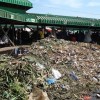
Is the 2030 Goal for Hunger Eradication Realistic?
With less than three years before a 2015 deadline, the developing world is largely expected to miss one of the U.N.'s key Millennium Development Goals (MDGs): halving the number of people living in extreme poverty and hunger.
Reforming U.S. Food Aid Would Eliminate 7,000-Mile Food Chain
Lawmakers attempted Wednesday to push along an ongoing effort to modernise U.S. international food aid policy amid mounting bipartisan support for the use of more locally grown food products over the long-standing practise of shipping U.S.-grown commodities.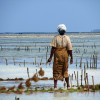
Zanzibar’s Encroaching Ocean Means Less Water
Khadija Komboani’s nearest well is filled with salt water thanks to the rising sea around Tanzania’s Indian Ocean island of Zanzibar.Ukraine Injects Addicts With Hope
As former presidents, senior diplomats and experts meet in the Lithuanian capital to discuss a litany of rights abuses, lethal epidemics and social destruction caused by repressive drug policies in Eastern Europe and Central Asia, pockets of hope for drug reform are emerging across the region.
Behind the Climate Finance Headlines
Developed countries report that they delivered more than 33 billion dollars in Fast Start Finance (known as FSF), beyond the pledges they made at COP 15 in Copenhagen in 2009. Recent analysis suggests that the funding delivered may have exceeded 38 billion dollars. But that is not the whole story.
Making a Business Out of Water Rationing
For 61-year-old Sarah Chikwanha from water-starved Chitungwiza, a town about 25 kilometres outside Harare, Zimbabwe, there is no choice. She must buy her water from illegal water traders, whose businesses have sprung up across the country.
Tackle Malnutrition Now
Between 2010 and 2012, 868 million people worldwide were deemed hungry by a conservative definition. This figure represents only a small fraction of the world’s population whose health and lives are blighted by malnutrition.U.S. Denounces Egyptian NGO Trial Results
President Barack Obama’s administration and several major rights groups are reacting with frustration to the decision of an Egyptian court, announced Tuesday night, to convict 43 civil society organisations and 16 U.S. employees of illegal use of foreign funds.
In Besieged Refugee Camp, Syrian Medics Struggle to Provide
It was nine in the morning when the shell landed in front of nine-year-old Hella al-Abtah's house in the Yarmouk Palestinian refugee camp in Damascus. Hella survived the initial blast but was critically wounded in the head, and her father rushed her to the Palestine Hospital, blood pouring from the laceration.
Japan Seeks to Remake Asia-Africa Relationship
Acutely aware of China’s strong presence in resource-rich Africa, Japan, the world’s third largest economy, is beefing up its relations with the continent. Participants at a high-level donor conference hosted by Japan this week stressed the need for closer engagement, not through the traditional grants and assistance loans that have hitherto defined the relationship, but rather through trade and investment led by the Japanese private sector.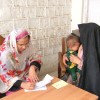
Good Health Lies Just Across the Border
Muzaffar Shah, a shopkeeper from Kabul, sits in a hospital waiting room, desperate for news. He has travelled nearly 300 km to get to the Khyber Teaching Hospital in Peshawar, capital of northern Pakistan’s Khyber Pakhtunkhwa (KP) province, where his wife is now in intensive care.
Sex Educators Struggle to Break Taboos
Liberian journalist Mae Azango says she spent a year living “like a bat, going from tree to tree” with her daughter in order to escape religious fanatics who were threatening to kill her for exposing the practice of female genital mutilation in her home country last year.
U.S., China Woo Caribbean “Friends” Just Days Apart
First it was U.S. Vice President Joe Biden, who travelled to Trinidad and Tobago Tuesday to speak with "our friends” in the Caribbean.
Youth Say Coca-Cola Is Easier to Find Than Condoms
“If I am thirsty and want a bottle of Coca-Cola I can get it, no matter where in the world I am. Why can’t I get contraceptives or sexual heathcare?” asked Carlos Jimmy Macazana Quispe, a youth representative from Peru currently in Kuala Lumpur for the third edition of the Women Deliver global conference on the "health and well-being of women and girls."
Maternal Healthcare Evades Marginalised Mothers
In the small village of Haldiyaganj in the northeastern Indian state of Meghalaya, 17-year old Injuara Begum is nursing her son who was born right here on the floor of her home three years ago.
Europe on the Edge of the Abyss
The economic crisis began in the United States under the administration of then-President George W. Bush, following the collapse of the Lehman Brothers Bank. It came as a result of unregulated globalisation and a neoliberal ideology that places usurious markets, offshore bank accounts, and money for the sake of money, above state power. It is an ideology that ignores citizens, even as they starve.« Previous Page — Next Page »


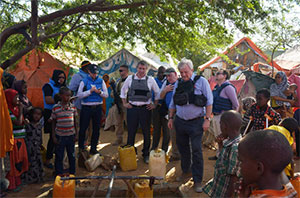 UN Emergency Relief Coordinator Visits Somalia. Credit: UN Photo/Tobin Jones
In recent years, conflicts have broken out across the world with no sign of slowing down or stopping. In times like this, millions of people globally are in dire need of humanitarian aid. Famine, warfare, natural disasters, and economic decline plague a host of nations, including Palestine, Sudan, Chad, Lebanon, and Haiti, to name a few. Humanitarian aid provides millions of people with critical services including healthcare, food, clean drinking water, psychosocial support, housing, and access to education. UN agencies such as the UNDP, UNICEF, the World Food Programme (WFP), UNHCR, UNRWA, and UNEP work with the UN Office for the Coordination of Humanitarian Aid (OCHA) and local organizations to come up with the best possible strategies to support affected communities. At the same time, humanitarian aid and those working on the frontlines are consistently threatened by both actors directly involved in conflict as well as those who are meant to contribute to the international humanitarian regime at large. The near-collapse of United States international aid structures in 2025, including the termination of 83% of USAID’s 6,300 global initiatives, has left millions of people without access to vital humanitarian assistance. 98 million people in 2025, only 65% of people targeted for humanitarian assistance, received the help they needed. In contrast, 123 million people received some form of humanitarian assistance in 2024, and OCHA’s 2026 Global Humanitarian Overview estimates that 239 million people are in need of assistance in 2026. IPS is well-positioned to discuss current initiatives to provide aid and relief through in-depth reporting and opinion content.

The Week with IPS

NEXT STOP - SDGs
Tracking global progress towards a sustainable world
Tracking global progress towards a sustainable world
