Languages
Thursday, November 19, 2026



News and Views from the Global South
Food and Agriculture

Uruguayan Schools Slowly Say Goodbye to Junk Food
Uruguayan schoolchildren are learning that cookies, candy, potato chips and soft drinks are bad for their health. Some schools have taken the initiative and banned junk food from school snacks.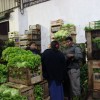
Market Gardening, a Ladder to Progress for Bolivians in Argentina
At the age of 53, Alberto Ramírez has come a long way since he came from Bolivia to Argentina every year during the harvest season since he was 12 years old, to work alongside his father. He now has a prosperous vegetable and fruit wholesale business in this city on the outskirts of Buenos Aires.
When it Comes to Hunger, Zero is the Only Acceptable Number
New data from the United Nations reveals that there has been progress in reducing the number of hungry people worldwide. But an estimate that nearly 870 million people, one in eight, suffered from chronic undernourishment over the last two years is “unacceptable”, experts say.Funds Crunch Skews Aichi Targets on Biodiversity
The United Nations 11th Conference of the Parties to the Convention on Biological Biodiversity (COP 11 CBD), underway in this southern Indian city, is lost on where to garner the billions of dollars needed to implement the ‘Aichi targets,’ due to be met by 2020.
World Bank Refuses Call to Halt Land Deals
The World Bank has rejected a call to suspend its involvement in large scale agricultural land acquisition following the release of a major report by the international aid agency Oxfam on the negative impact of international land speculation in developing countries.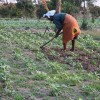
Small Farmers in West Africa Need Support – Despite Good Rains
Despite an abundance of rain, promising good harvests for the current growing season, small-scale farmers and non-governmental organisations are calling for support to smallholders to be maintained with a view to eradicating food insecurity in Africa’s Sahel region.
Farming in Bangladesh Stays Afloat – Literally
With the rains over Gopalganj district intensifying each year and much of Baikantapur village permanently waterlogged, Bijoy Kumar Sen had little choice but to abandon traditional rice farming and grow vegetables on bairas – floating islands built of straw and aquatic plants.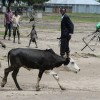
Abyei Region Still a Stumbling Block between South Sudan, Sudan
Pressure from ethnic groups along the border, security concerns, and keen interest in resources like oil and land are making it difficult for Sudan and South Sudan – the world’s newest country - to resolve their dispute over the fertile, oil-rich region of Abyei and demarcate their common border. Speaking in Turkey on Monday, Sudan’s first vice president, Ali Osman Taha, called for a referendum to resolve the issue.
Donors Must Seize 2013 Opportunity in Sahel, U.N. Urges
Reporting that the worst of the food crisis in the Sahel region of Africa appears to have been averted, the United Nations’ top official on the area, David Gressley, warned on Wednesday that the potential passing of the immediate emergency should not divert international attention from what needs to be done in 2013, which he calls a critical year for building resilience in the region.
Haitian Government Faces Mounting Popular Anger
Several thousand marchers demonstrated against Haitian President Michel Martelly on Sunday, the anniversary of a bloody coup d’état that toppled president Jean-Bertrand Aristide 21 years ago.
Climate Change Hits Pacific Islands
Climate activist Wanita Limpus, from the low-lying island nation of Kiribati in the Central Pacific Ocean, says the outcome of the Rio+20 Earth Summit held in Rio de Janeiro in June was a serious letdown for small, developing island states.
Climate Change Takes a Bite Out of Global Food Supply
Humanity's ability to feed itself is in serious doubt as climate change takes hold on land in the form of droughts and extreme weather, as well as on the world's oceans.
Gaza Farmers Find Canadian Support
“From the coast to eight miles out, the sea is like a desert: it's sandy and there are no fish.” Mohammed Al-Bakri traces a thick line on the wall map before him, following the lines of Gaza's eastern and northern borders, continuing south from three miles off the coast.
Delivering Promises to Africa’s Smallholder Farmers
Investment in rural infrastructure and support for Africa's millions of small-scale farmers have increased in the past decade. But as these farmers begin to see increased yields, the question of better access to markets comes to the fore.
Coffee Time in Uganda
Uganda, Africa's biggest coffee exporter, is racing against time to boost its production of the crop by 60,000 tonnes, or one million 60-kilogramme bags, within the next three years. But some industry players believe that the feat is unattainable.
Arab Spring Teaches Food Security
African leaders should take note of the lessons learned from the Arab Spring and realise that ensuring good governance and food security will avoid crises on the continent, says Kofi Annan, chairman of the Africa Green Revolution Alliance.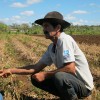
Starving for an Equitable Food System
The root cause of hunger and malnutrition for millions of people worldwide lies in the severely skewed and unfairly structured hierarchy of policymakers, not in natural disasters or food shortages, according to the Right to Food and Nutrition Watch 2012 (RTFN Watch) released Tuesday.
New Roadmap for NGOs in Haiti Aims to “Weed Out Bad Apples”
Haitian Prime Minister Laurent Lamothe and representatives from more than 50 non-governmental organisations, including actor-activist Sean Penn, met in New York on Monday to present a new roadmap for humanitarian aid in the country.
Stevia, a Flourishing Business in Spain
On a parcel of land a few kilometres outside the southern Spanish city of Málaga, unemployed activists are growing 2,000 seedlings of stevia, a plant used by the Guaraní indigenous people for centuries as a natural sweetener that is awakening ever greater interest in Spain.
Giving Women Farmers the Tools to Prevent Food Insecurity
If women had equal access to productive farming resources, they could increase their yields by 20 to 30 percent and potentially raise total agricultural output in developing countries by 2.5 to four percent.
Urban Agriculture Sprouts in Brazil’s Favelas
You do not need to live in the countryside to grow vegetables, as hundreds of thousands of people involved in urban agriculture from Havana to Buenos Aires know very well. Now they are being joined by residents of Rio de Janeiro’s “favelas”.« Previous Page — Next Page »


 Farming on the Outskirts of Juba. Credit: UN Photo/JC McIlwaine
Promoting human and planetary health is a central focus of the United Nations, as laid out in the 2030 Sustainable Development Goals (SDGs). World hunger and unsustainable farming practices continue to be pressing concerns for the world. According to the 2025 State of Food Security and Nutrition in the World report by the Food and Agriculture Organization (FAO), 673 million people faced hunger in 2024. There are stark regional disparities, with the FAO projecting that 60% of the world population facing hunger will reside in Africa by 2030. Globally, the prevalence of food insecurity has remained consistently higher for women than men.
Sustainable and efficient national food systems are essential in preserving health, education, environmental well-being, peace, economy, and security. However, creating sustainable food systems can be a challenging endeavor, as food production takes a heavy toll on the environment. The agricultural sector accounts for a significant portion of greenhouse gases. Finding safe, sustainable, and ethical strategies to feed the world is crucial in ensuring planetary longevity. A recent initiative from 2023, the EU Regulation on Deforestation-free Products (EUDR), seeks to advocate for sustainable food systems. The main driver of deforestation is the expansion of agricultural land used to produce commodities like cattle, wood, cocoa, coffee, etc. The EUDR is part of the 2020 European Green New Deal and the EU Biodiversity Strategy for 2030 and aims to limit Europe’s consumption of products linked with deforestation by requiring that companies prove that their products are deforestation-free. Despite aiming to achieve major strides in sustainability, policies such as EUDR also raise socioeconomic concerns for targeted countries. Many emerging Latin American economies are impacted by the policy, and have raised the question of how developing countries can grapple with the tensions between economic development and advancing sustainability.
IPS has been at the forefront of providing compelling and insightful stories on communities facing hunger as well as the cost of food production. IPS uses statistics from FAO, the World Food Programme (WFP) and the International Fund for Agricultural Development (IFAD) to bring relevant and hard-hitting facts to readers. This gathering of information and data from such organizations helps bring the best stories from IPS journalists working in the different regions in consultation with experts on the ground.

The Week with IPS

NEXT STOP - SDGs
Tracking global progress towards a sustainable world
Tracking global progress towards a sustainable world

