Languages
Sunday, November 29, 2026



News and Views from the Global South


Unsettled Lives in a Troubled World
Cross-continent vacations seem to be the norm once again with the lessening of COVID-19 while new cities are being built with skyscraping $4M condos shooting up in a matter of months, and just-out-of-University millennials launching into their careers with minimum start-off salaries of $75K.
Building Leadership for Teachers in the Developing World
If we truly want to re-imagine the role education can play in the decades to come, it is going to be indispensable to take drastic measures to elevate the role of teachers in developing countries.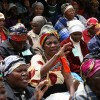
What Does the African Continental Free Trade Agreement Hold for Women?
Agnes Opus sells cereals in Busia, the border town between Kenya and Uganda. This is her lifeline through which she caters for her immediate family’s needs from school fees to housing and medical care and support to her extended family. While she dedicates all her energy and time to this work which she loves, she struggles to meet all her needs. She faces many non-tariff barriers including harassment by officials and unclear and ever-changing information on trade requirements.
What Must COP27 Deliver?
Preparations for COP27 in November are proceeding apace and we are now well past the halfway mark between the preparatory meetings in June in Bonn and the start of the summit in Sharm El-Sheikh, Egypt. The agenda for Sharm El-Sheikh is complex and challenging. Furthermore, the meeting is taking place during a time of international turmoil. So, what are the factors influencing whether Sharm El-Sheikh can be a success? And what, exactly, does COP27 need to deliver?
World Leaders, Mostly Autocrats, Plan to Skip Upcoming UN Sessions
When the high-level segment of the UN General Assembly sessions begin September 20, the official list of speakers include 92 heads of state (HS) and 56 heads of government (HG). But the “usual suspects,” mostly leaders of authoritarian regimes, are missing, including Vladimir Putin of Russia, Xi Jinping of China, Kim Jong-un of North Korea, Bashar al-Assad of Syria, Crown Prince Mohammed bin Salman of Saudi Arabia and the much-maligned military leaders of Myanmar.
Africa Struggles with Neo-Colonialism
After a quarter century of economic stagnation, African economic recovery early in the 21st century was under great pressure even before the pandemic, due to new trade arrangements, falling commodity prices and severe environmental stress.
Optimism Prevails Despite Uncertainty Over Revolution to Build Africa’s Food Systems
The 2022 Africa Green Revolution Forum (AGRF) Summit ended in Kigali, Rwanda, with policymakers, activists, researchers, business leaders, and agricultural experts divided over the right pace to build resilient agri-food systems on the continent.
Multi-Faith Team Urges Repeal of Blasphemy Laws– in the Name of Religious Freedom
In nations lacking certain religious freedoms, the bold multi-faith membership of the International Religious Freedom Roundtable’s Campaign to Eliminate Apostasy and Blasphemy Laws, would be forbidden.
United We Stand to Achieve Sustainable Development
The world today faces a future that is in peril. Our challenges have become more complex and interconnected, as we see the impacts of the COVID-19 pandemic, an uneven economic recovery, a climate emergency, growing inequalities, and an increase in conflicts globally. This year also marks a grim milestone, with over 100 million people forcibly displaced.
Peruvian Trans Women Fight for Their Right to Identity
"Without recognition of your identity by the State and society, there is no exercise of citizenship or rights," said Leyla Huerta, director of Féminas Perú, an organization that has been working since 2015 to empower transgender women in the face of the highly vulnerable situation they find themselves in.
An Unsealed Indictment of Trump’s Crimes Against Migrant Families
For a while in 2018, the Donald Trump administration’s “family separation” policy looked like it might become the Stalingrad of his war on immigrants. It was clearly a bridge too far politically, given the global outcry it provoked. Even parts of the Republican party couldn’t stomach it. So Trump retreated strategically on family separation, and intentionally left the program so disorganized that reuniting parents and children became a still-incomplete ordeal.
Africa Needs More Action, Fewer Words to Secure Food and Nutrition
For more than five years, Ritta Achevih was harvesting one bag of maize or less from her small plot each season. She could hardly provide enough healthy food for her big family.
As New Covid Boosters Move Forward, Better Outreach is Needed to Save US Lives
This week––nearly ten months after the emergence of the Omicron variant––the United States is rolling out Covid-19 booster vaccines that specifically target newer, now-dominant strains of the virus.
In the Face of Scarcity, Cubans Dream of Once Again Drinking Their Daily Cup of Coffee
While the Cuban government's plans to increase production begin to bear fruit, Mireya Barrios confesses that she seeks every possible way to enjoy a cup of coffee every day, in the face of high prices and scarcity.
Climate Collapse Is Not Inevitable But ‘Great Leap’ Needed
In 1972 the Club of Rome alerted the world to the harm human economic systems were doing to the health of our planet in its seminal, best-selling report, The Limits to Growth. With the devastating impacts of the climate crisis hitting home harder than ever, especially in the Global South, that warning about the dangers of exponential economic growth has been fully vindicated.
Inequitable Global Health Responses Underscore Need for More Self-Sufficiency in Developing Countries
With the outbreak of Monkeypox in non-endemic countries leading to a scramble for vaccines, global health advocates are again calling for equity to be prioritized in the international response.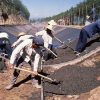
Developing Countries Must Grow More Food
Climate change and war on Ukraine a wake-up call
As our planet continues to heat up, extreme weather has affected many of us. From the west coast of North America across Europe, the Middle East and Asia to Pakistan and New Zealand, wildfires and flash floods have destroyed homes and property and disrupted the daily lives of millions.

Zambian Parliamentarians Tackle Population Issues to Improve Quality of Life for Citizens
Parliamentarians play a decisive role in addressing population issues, as was demonstrated when the majority voted against a private member motion to end the teaching of comprehensive sexuality education (CSE) in Zambia in 2020.
UN Report Details Taliban Abuses in Afghanistan
This week, the United Nations special rapporteur on human rights in Afghanistan, Richard Bennett, released his first report. It is a catalog of abuses under Taliban rule since August 2021 and their devastating impact on Afghans.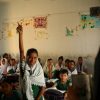
Hundreds of Millions of Children Sentenced to Ignorance
More than two-thirds of 10-year-olds are unable to read and understand a simple text. This shocking finding should be enough to be alarmed about the horrifying fate of an entire generation. But there is much more.
How Development Banks Put Communities at Risk – PODCAST
 A 2021 World Bank-financed project in Uganda was supposed to help communities to sustainably manage local areas and to cope with the impacts of Covid-19. But at one site, the Toro Semliki Wildlife Reserve, the funding emboldened the Uganda Wildlife Authority. A government body, and the project’s implementing agency, the UWA has long prevented indigenous communities from reclaiming their land near the wildlife reserve.
« Previous Page — Next Page »


Want to keep up with the latest news and views from the Global South? Sign up for IPS Daily News Report for daily emails with our top stories about international development, climate change, gender and more. (Formerly IPS TerraViva since 1993).

The Week with IPS

NEXT STOP - SDGs
Tracking global progress towards a sustainable world
