Thursday, October 1, 2026



News and Views from the Global South


Small-scale Fishing Is About Much More than Just Subsistence in Chile
“Fishing isn’t just for making a living, it’s also enjoyable,” said Pedro Pascual, a 70-year-old fisherman who has been taking his small boat out to sea off Chile’s Pacific coast in the early hours of the morning almost every day for the past 50 years, to support his family.
Response to Ethiopia’s Drought: A Story of Success or Anguish?
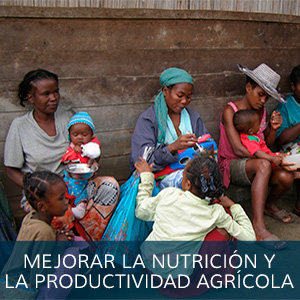
 Inside a health clinic run by the Catholic Daughters of Saint Anne, a nurse wraps a special tape measure around the upper arm of 2-year-old Rodas cradled in her mother’s arms. The tape reads yellow, meaning “moderately” malnourished, according to the attending nurse.

One Fish Two Fish, No Fish: Rebuilding of Fish Stocks Urgently Needed
A major new study has revealed that the global seafood catch is much larger and declining much faster than previously known.
Thousands Face Hunger and Pray for Enough Rain in Malawi
It is 9 am in the morning but the scorching sun makes it feel like mid-afternoon. This type of weather is what experts are calling El Nino; a heat wave that is affecting countries in southern and eastern Africa.
Military Conflicts Threaten to Undermine Battle Against Rural Poverty
The ongoing battle against rural poverty is in danger of being undermined by a growing number of insurgencies and political upheavals – mostly in Africa.
Credit Innovation has a Key Role in Bangladesh’s Climate Change Adaptation
Expected climate change makes improving agricultural practices even more important than many already suggest, according to a new study of Bangladesh, considered one of the most at-risk nations from rising temperatures.
Insecurity in Dominican Countryside Threatens Local Food Supply
“Sometimes we have too much water, which washes everything away,” Cecilia Joseph, originally from Haiti, said in heavily accented Spanish while pulling up a ñame root (a kind of yam) on her farm in the municipality of Santo Domingo Norte in the Dominican Republic.
Mexico to Export Nixtamalisation of Grains to Africa
Every day in the wee hours of the morning Verónica Reyes’ extended family grinds corn to make the dough they use in the tacos they sell from their food truck in Mexico City.
Weak Agriculture Finance Feeds Malnutrition in Zimbabwe
Successive poor harvests have diminished Ndodana Makhalima's household food stocks and the family’s nutrition status. A subsistence farmer in Lupane, about 110 kilometres north of Zimbabwe’s second city, Bulawayo, 56 year-old Makhalima has learnt to live with hunger on his door step.
Soy, an Exotic Fruit in Brazil’s Amazon Jungle
In the northern Brazilian state of Pará, the construction of a port terminal for shipping soy out of the Amazon region has displaced thousands of small farmers from their land, which is now dedicated to monoculture.
Native Seeds Help Weather Climate Change in El Salvador
Knife in hand, Domitila Reyes deftly cuts open the leaves covering the cob of corn, which she carefully removes from the plant – a process she carries out over and over all morning long, standing in the middle of a sea of corn, a staple in the diet of El Salvador.
Malawi Working to Improve Nutrition Sensitive Agricultural Production
In the last few years, Malawi has successfully managed to reduce infant and under five mortality. But reducing malnutrition, which affects an estimated 1.4 million children, continues to be a costly challenge for the country.
World’s Poorest Nations Battle Rising Rural Poverty
The world’s 48 least developed countries (LDCs), described as the poorest of the poor, are fighting a relentless battle against rising rural poverty.
Acute Malnutrition: A Community Fights Back
In the semi-darkness of her hut in Berdaballa, a forest village 610 km northeast of Mumbai, 28-year old Babita Mavaskar sat with her newborn baby boy watching him checked by a paramedic in an important antenatal exam. After about 20 minutes the health worker emerged from the shelter and made a big announcement, “All is well. Everything, the weight, temperature and height … is normal.”
Zimbabwe’s Smallholder Farmers Seek Address Food Security and Health Risks with Air Tight Storage Technology
Last season, Mollene Kachambwa lost a tonne of the 5 tonnes of maize the family harvested to weevils and fungi.
Agricultural Keys to Malaria in African Highlands
Sixty-five years after a major international summit here on malaria, the mosquito-borne disease remains a scourge and its incidence may even be rising in parts of sub-Saharan Africa due to the combined effects of climate change, agricultural practices and population displacement.
Terrace Farming – an Ancient Indigenous Model for Food Security
Terrace farming as practiced from time immemorial by native peoples in the Andes mountains contributes to food security as a strategy of adaptation in an environment where the geography and other conditions make the production of nutritional foods a complex undertaking.
Native Women Green the Outskirts of the City, Feed Their Families
The hands of women who have migrated from rural areas carefully tend to their ecological vegetable gardens in the yards of their humble homes on the outskirts of Sucre, the official capital of Bolivia, in an effort to improve their families’ diets and incomes.
Healthy Oceans Key to Fighting Hunger
Seafood offers a large amount of animal protein in diets around the world, and the livelihoods of 12 percent of the global population depend directly or indirectly on fisheries and aquaculture.
Latin America’s Relative Success in Fighting Hunger
The Latin American and Caribbean region is the first in the world to reach the two global targets for reducing hunger. Nevertheless, more than 34 million people still go hungry.
The Soil, Silent Ally Against Hunger in Latin America
Latin America and the Caribbean should use sustainable production techniques to ensure healthy soil, the basic element in agriculture, food production and the fight against hunger.« Previous Page — Next Page »


As a leading communications institution and independent news agency on global issues and development, Inter Press Service is intensifying its focus on pressing sustainable development challenges that face countries and communities throughout the world. Agricultural development and food security are key areas to address, particularly given their importance to rural people and to the challenges of vastly increasing the amount of nutritious food needed to meet a rapidly expanding global population. Building on its track-record of the past 50 years, IPS is now engaging a broad range of media and institutional partners to maximize global visibility and impact and to raise public awareness and understanding, serving as a hub for stories on major food, agricultural, rural development and environmental trends and processes.

The Week with IPS

Tracking global progress towards a sustainable world