Languages
Wednesday, November 11, 2026



News and Views from the Global South
Gender

Epidemic of Premature Births in Rich and Poor Nations Alike
Fifteen million babies, or more than one in 10 infants, are born prematurely each year. Over one million die soon after birth, or survive to face a lifetime of health complications, says a new report by the World Health Organisation and co- sponsors.Morocco Still Divided Over Marriage of Minors
The widespread practice of marrying minors continues to be one of the most incendiary legal and political issues in Morocco today, causing open confrontations between hard-line Islamists and moderates throughout the country.
Bangladesh Scores on Girls’ Schooling
Bangladesh continues to score good grades in achieving the Millennium Development Goal (MDG) of gender parity in education by 2015, with the trend of more girls than boys attending primary school accelerating this year.Another Olympics Sans Saudi Women?
While athletes around the world enter their final stages of training for the 30th Olympic Games in London this July, Saudi Arabia stands alone as the only country that has banned females from participating.
Energy Forests, the Feminine Art of Reforesting
María Elena Muñoz industriously weeds a clearing in the forest and then digs several holes, where she and another four dozen women are planting plantain seedlings, to help feed their families in this poor farming area in El Salvador.
Women in Brazil Turn to Eco-Friendly Farming in Wake of Storms
In the green belt of market gardens that feeds the Brazilian city of Rio de Janeiro, women farmers are learning environmentally friendly techniques in response to extreme weather events and their effects on the land.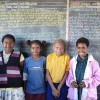
Sexual Abuse Keeps Girls Out of School
Sexual harassment of school-going girls is one factor that may prevent this Pacific island nation from achieving the Millennium Development Goal (MDG) of eliminating gender disparity in education by 2015.
Armed Groups in Northern Mali Raping Women
Increasing numbers of Malian women are being raped by Tuareg rebels and armed groups that have swept across the north of Mali since the beginning of year, expelling all government troops from the region.
Women of the World Unite for Rights
The world’s recent financial and political upheavals have not been kind to women. In Libya’s Tripoli, female suicide rates increased tenfold during the revolution, while dismal job prospects have young Greek women abandoning their career aspirations, participants in a global forum on women’s rights said over the weekend.Economic Crisis Hits Gender Budgeting
Worldwide, women are largely responsible for managing family budgets, controlling 65 percent of global spending. But, women’s needs are often ignored when it comes to government budgeting, delegates at an international meet in Turkey's largest city observed.
Papua New Guinea’s ‘Missing Mothers’ Prompt Rural Healthcare Overhaul
While the number of women dying in childbirth globally declined by 34 percent between 1990 and 2008, that number doubled in Papua New Guinea over the same time period.
U.S.: Only Four-Fifths of Men’s Pay for Women
Forty-seven years after the Equal Pay Act was signed into law, women in the United States are still struggling against wage discrimination in the workplace.
Q&A: Increasing Investment Opportunities in Africa
More than three years after the start of the global economic crisis, which has had a considerable impact on African trade, investments and gross domestic product, investment prospects on the continent are increasing.Gas Extraction Fuels Abuse in Papua New Guinea
Papua New Guinea’s infamous track record on gender-based violence – with an estimated 75 percent of women and children experiencing some form of violence, primarily domestic abuse – is poised to worsen.
War on Terror Traumatises Pakistani Women
Collateral damage caused by the ‘war on terror’, prosecuted by the United States and its allies in Afghanistan since 2001, may well extend to psychological trauma sustained by thousands of women in the bordering areas of northwestern Pakistan.
Social Media Activism Takes Root in Malawi
As Malawians celebrate Joyce Banda’s appointment as president on sites, like Facebook and Twitter, the increased use of social media in Malawi comes full circle as her new government takes office.
Fistula – Another Blight on the Child Bride
It was personal experience that turned Gul Bano and her cleric husband, Ahmed Khan, into ambassadors against early marriage and its worst corollary – obstetric fistula which allows excretory matter to flow out through the birth canal.
Not for a Woman in Amman
Two young women in brightly coloured hijabs and tight jeans stand on the edge of a freeway as cars whiz by. They watch the traffic, heavy in Amman where car ownership is skyrocketing by 10-15 percent a year. When there’s a break in the steady flow of vehicles, the women hold hands and race across the road.
HIV Compounds Poverty in Nepal
Life, already hard in Nepal’s remote western region, is getting worse thanks to HIV infection brought back by men who go to neighbouring India for seasonal work.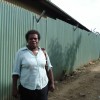
Sorcery-Related Violence on the Rise in Papua New Guinea
An increase in sorcery-related violence and fatalities over the last decade in Papua New Guinea is generating awareness about the lack of development, economic opportunities, inequality and under-resourced health services in rural areas.
“A New Dawn Rises over Malawi”
It would be too simplistic to think that Malawi’s problems have ended with the death of President Bingu wa Mutharika. But it is an opportunity for newly appointed President Joyce Banda, who is also leader of the opposition People’s Party, to step up and offer a new and more responsive style of leadership.« Previous Page — Next Page »





Women make up half the world's population, but don't nearly share half of the world's wealth, well-being and opportunity. Two-thirds of the world poor are women, disproportionally exposing women to precarious living conditions, disease and unmitigated natural disasters. The media, meanwhile, remains a male-dominated sector in much of the world, contributing to women's voices lacking a crucial amplifier to put their concerns on political agendas and unleash the development potential of their ingenuity. Rather than then stereotypical victims of local and global forces, women are also organizer, innovators, conservators and community builders. These are some of their stories.

The Week with IPS

NEXT STOP - SDGs
Tracking global progress towards a sustainable world
Tracking global progress towards a sustainable world
