Languages
Saturday, November 21, 2026



News and Views from the Global South
Latin America & the Caribbean

Cuba’s Fish Farming Industry Seeks to Double Output by 2030
Protected from the sun by broad-brimmed hats and long- sleeved shirts, workers at the La Juventud fish farm throw fish feed into the tanks for the tilapias, a fish that is scarce and in high demand in the Cuban markets.
Limitless Cigars and Rum for U.S. Tourists in Cuba
After more than a half-century of a commercial, financial and economic embargo, U.S.-Cuban trade relations took a significant step forward this month.
Learning from Past Mistakes: Rebuilding Haiti After Hurricane Matthew
As Haiti reels from another disaster once again, many are questioning the humanitarian system and looking for long-term solutions with Haitians at the heart of response.
Freedom of the Press Faces Judicial Harassment in Brazil
The same justice that exists to ensure rights can become a tool to violate them and restrict freedom of the press, as seen with the recent wave of lawsuits against journalists and the media in Brazil.
Negligent Central American Leaders Fuel Deepening Refugee Crisis
One word could undoubtedly summarize the past year with painful precision: Refugees.
Cultivating a Different Future for Rural Women in Argentina
Her seven children have grown up, but she now takes care of a young grandson while working in her organic vegetable garden in El Pato, south of the city of Buenos Aires. Olga Campos wants for them what she wasn’t able to achieve: an education to forge a different future.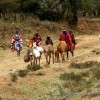
What Happens When a Small Farmer Migrates?
Now that world attention is focused on the fast growing process of urbanisation, with 2 in 3 people estimated to be living in towns and cities by the year 2030, an old “equation” jumps rapidly to mind: each time a small farmer migrates to an urban area, equals to one food producer less, and one food consumer more.
Climate Change Adaptation – Key to Reaching Zero Hunger in Latin America
Climate change is leading to major modifications in agricultural production in Latin America and the Caribbean, and if mitigation and adaptation measures of the productive system are not urgently adopted, threats to food security will be exacerbated.
Few Families Overcome Forced Displacement by Hydropower Plants in Brazil
The construction of mega-hydropower plants in Brazil has been a tragedy for thousands of families that have been displaced, and a nightmare for the companies that have to relocate them as required by local law.
Gang Violence Drives Internal Displacement in El Salvador
A basketball court in this small town in western El Salvador was turned overnight into a shelter for some two dozen families forced to flee their homes after a recent escalation of gang violence.
Coffee Producers in Costa Rica Use Science to Tackle Climate Change
“Our coffee production per hectare has dropped due to early ripening of the fruit and diseases,” Maritza Cal[related_articles][related_articles] coffee farmer in the mountains in southern Costa Rica, told IPS.
Colombia Referendum – First Acid Test for Peace
It was like a huge party in Colombia. “Congratulations!” people said to each other, before hugging. “Only 20 minutes to go!” one office worker said, hurrying on her way to Bolívar square, in the heart of Bogotá. And everyone knew what she was talking about, and hurried along too. Complete strangers exchanged winks of complicity.A Historic Day in Colombia
Betsaida and her family abandoned their home and a small business in the port of Tumaco, in the Pacific of Colombia, and were forced to follow the road that more than 7 million displaced Colombians have as a result of the armed conflict. Their story, and that of millions of victims of the war, is at the heart of what the United Nations Organization is and does. Seventy-one years after its creation, the universal aspiration to end war, reaffirm the fundamental human rights and promote social progress is latent and more crucial than ever.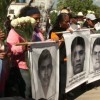
Two years on, Peña Nieto cannot brush off Ayotzinapa stain
There are certain events that mark a turning point in a country. The way a government decides to handle them defines the way they will go down in the history books.
Mexico City’s Expansion Creates Tension between Residents and Authorities
People living in neighborhoods affected by the expansion of urban construction suffer a “double displacement”, with changes in their habitat and the driving up of prices in the area, in a process in which “we are not taken into account,” said Natalia Lara, a member of an assembly of local residents in the south of Mexico City.
Rural Growth in Colombia: Yara Steps In to Increase Productivity
Following the recent peace agreement between the Colombian government and the FARC in Cartagena which concludes a 52-year armed conflict, the country is now geared toward improving productivity in its agricultural sector. Yara International, a leader in crop nutrition and farmer support, has taken the timely step of supporting the government’s efforts on this issue.
Argentina at Risk of an Educational System Serving the Market
In Argentina, teachers, students and trade unionists are protesting against mass redundancies in education, which they say are part of a process of undermining public education and a move towards a new model based on market needs.
No One Is Indispensable in a Democracy
I have put a great deal of thought into whether or not to return to politics. Groups from different political parties, and without party affiliation, have expressed their concern over the current situation in the country and have offered me their support. And the opinion polls indicate that I would have a chance at a third presidential term.
New Government Inherits Conflict over Peru’s Biggest Mine
Of the 150 socioeconomic conflicts related to the extractive industries that Peru’s new government inherited, one of the highest-profile is the protest by the people living near the biggest mining project in the history of the country: Las Bambas.
Fish Farming, a Challenge and Opportunity for Small Farmers in Brazil’s Amazon
Domingo Mendes da Silva has lost track of how many visitors he has received at his 10-hectare farm in northwest Brazil. He estimates “more than 500,” including aquaculture technicians, government officials, peasant farmers, journalists and other people interested in fish farming.
When It Comes to Conservation, Size Matters
When the communities living in the Tatamá y Serranía de los Paraguas Natural National Park in the west of Colombia organised in 1996 to defend their land and preserve the ecosystem, they were fighting deforestation, soil degradation and poaching.« Previous Page — Next Page »


The Week with IPS

NEXT STOP - SDGs
Tracking global progress towards a sustainable world
Tracking global progress towards a sustainable world

